




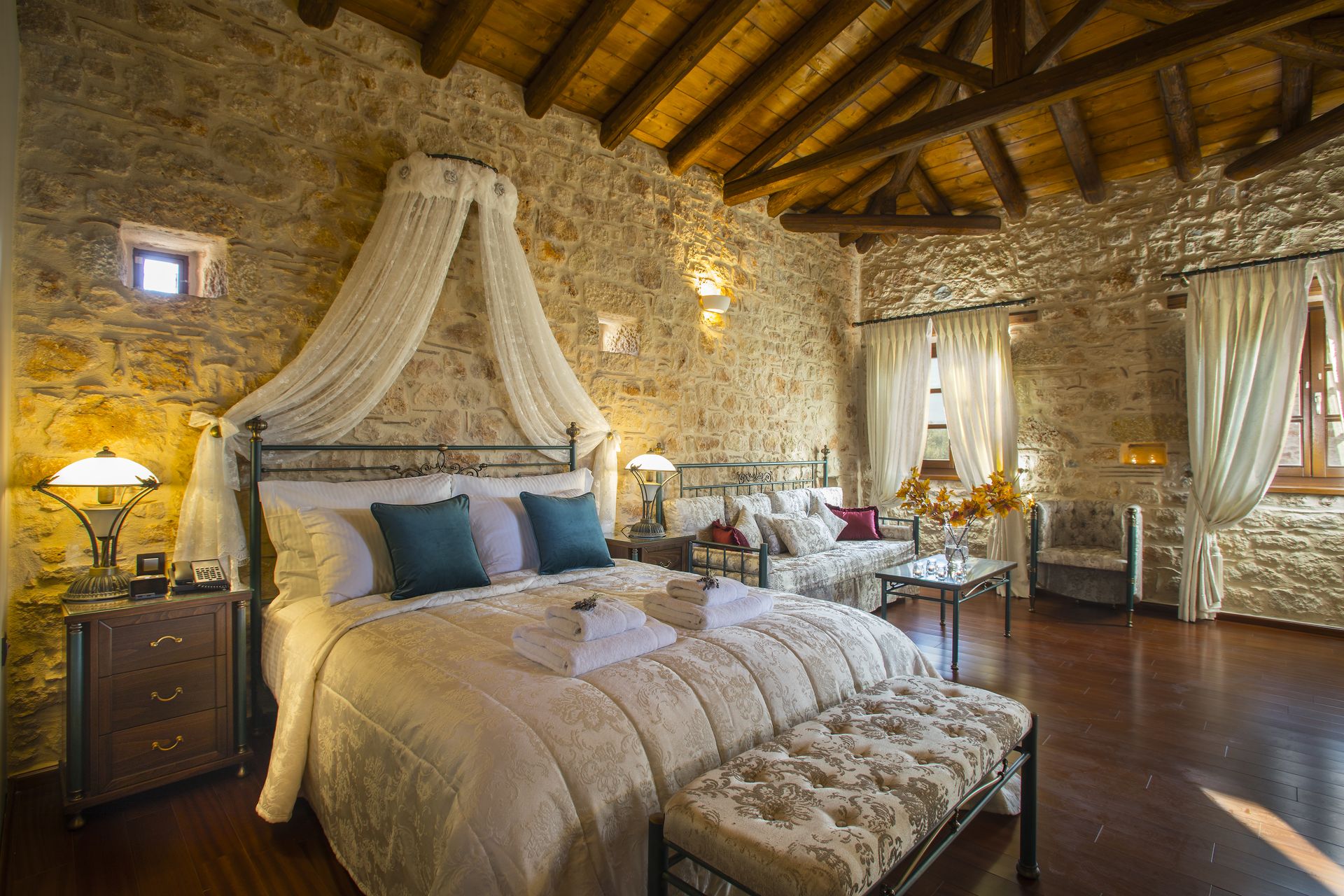










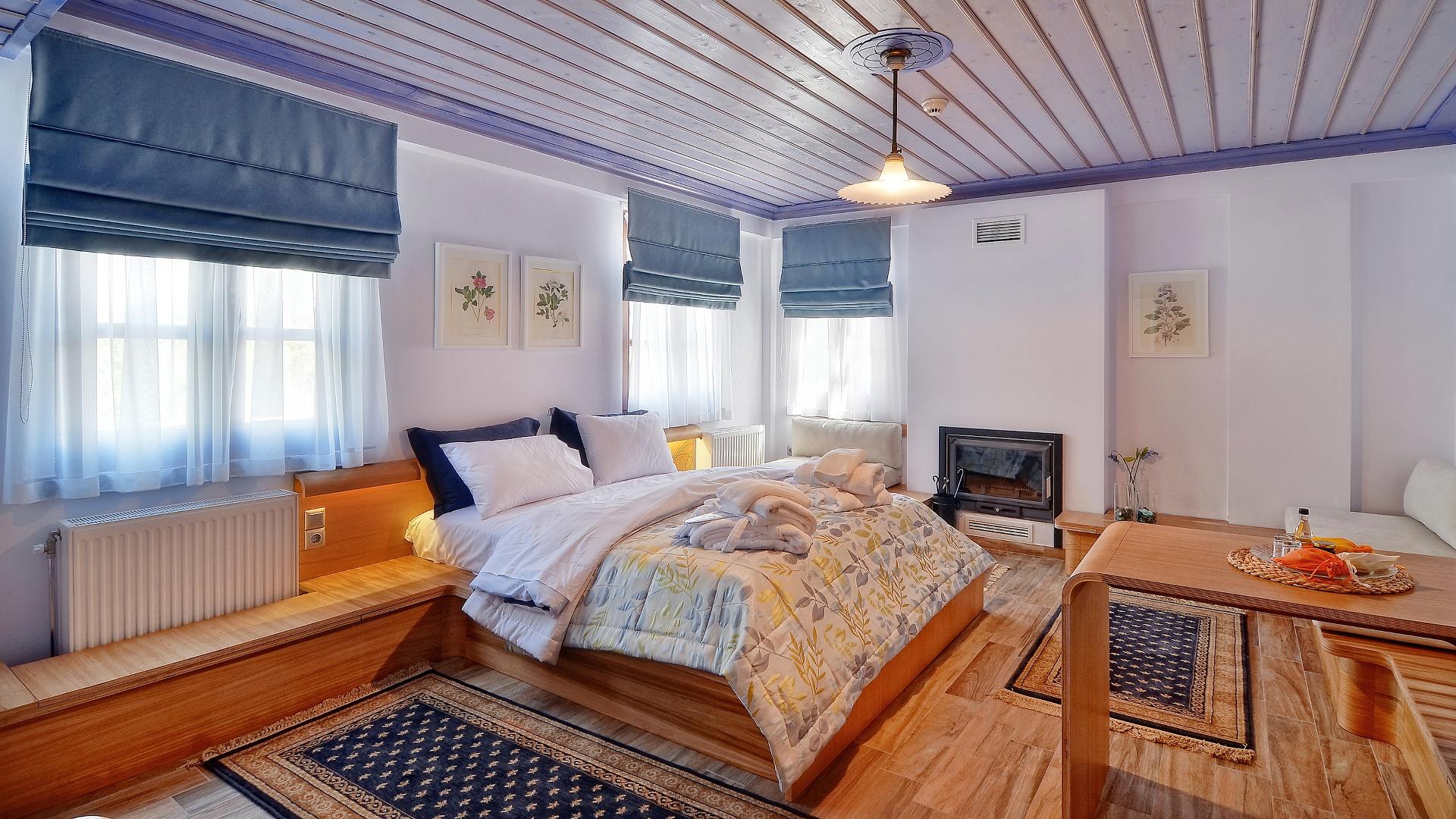


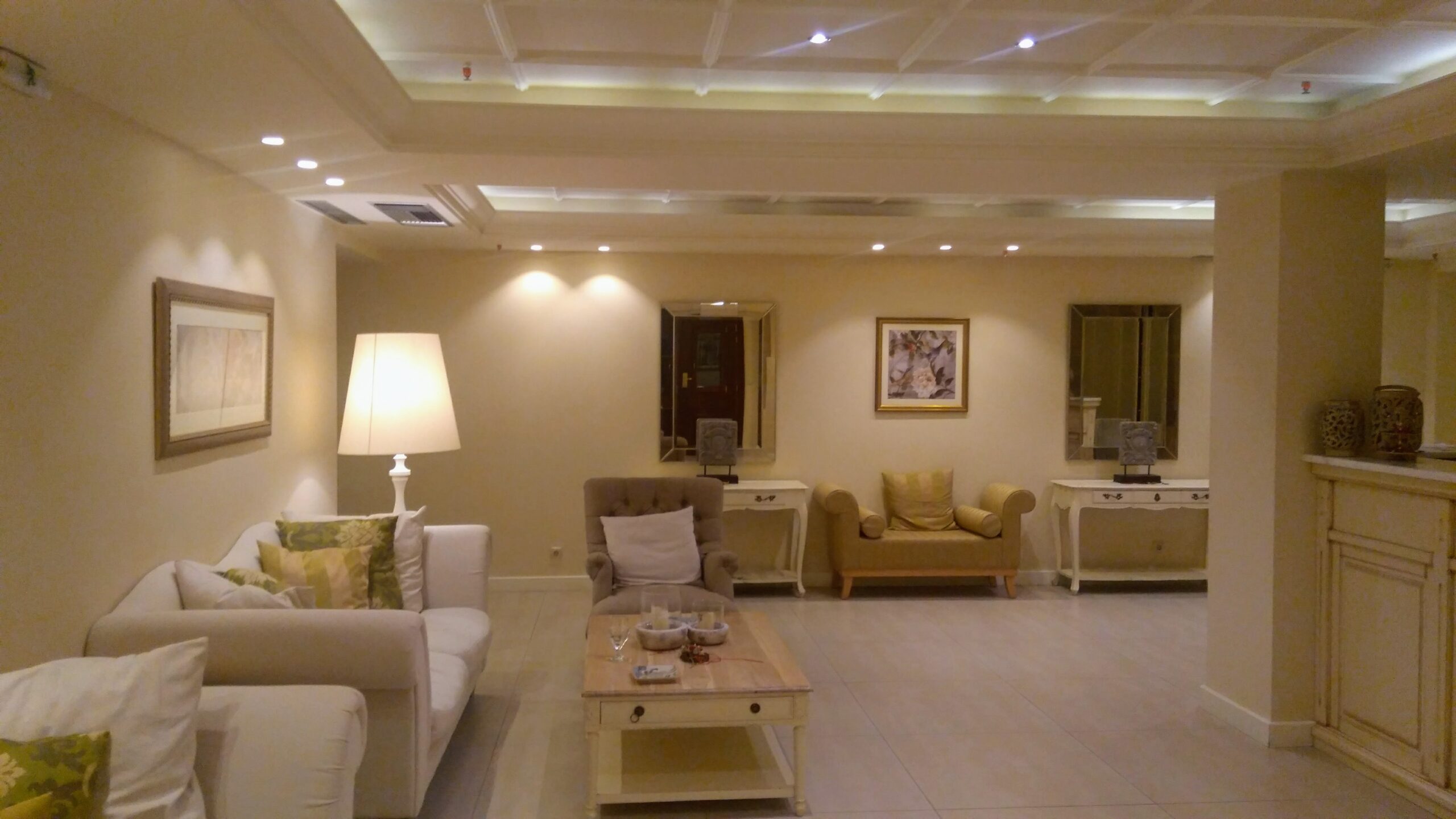









Ideal tour for those looking to visit some amazing sites without wasting time driving in & out of Athens, but instead overnight & enjoy beautiful, authentic “Greek” locations like Sparta & Mystras, Monemvasia, Nafplio town, and Dimitsana village. Furthermore, you’ll be exploring Zagorochoria, the city of Ioannina, Delphi, Vergina, the town of Kastoria, the Prespes Lakes, the Pozar Thermal Baths, and Meteora. Hydra & Zakynthos Islands make a great mix! Included is an excellent accommodation you won’t find in big cities. For up to 6 people, but we can also plan for bigger groups as long as there are no “strangers” in your group! You can adjust the tour by adding, removing, or substituting sites/locations/options/add-ons depending on your available time.
DAY 1: FROM ATHENS TO ANCIENT CORINTH – MYCENAE – EPIDAURUS – NAFPLIO
You will meet your private driver/tour leader at your Athens hotel for an 8:00 a.m. departure. On a short trip of no more than 1 hour, you enter the Mythical Peloponnese through the Corinth Canal for this “real Greece” experience. The Corinth Canal is the first stop, and then to MYCENAE, home to some of Greece’s most famous ancient ruins.
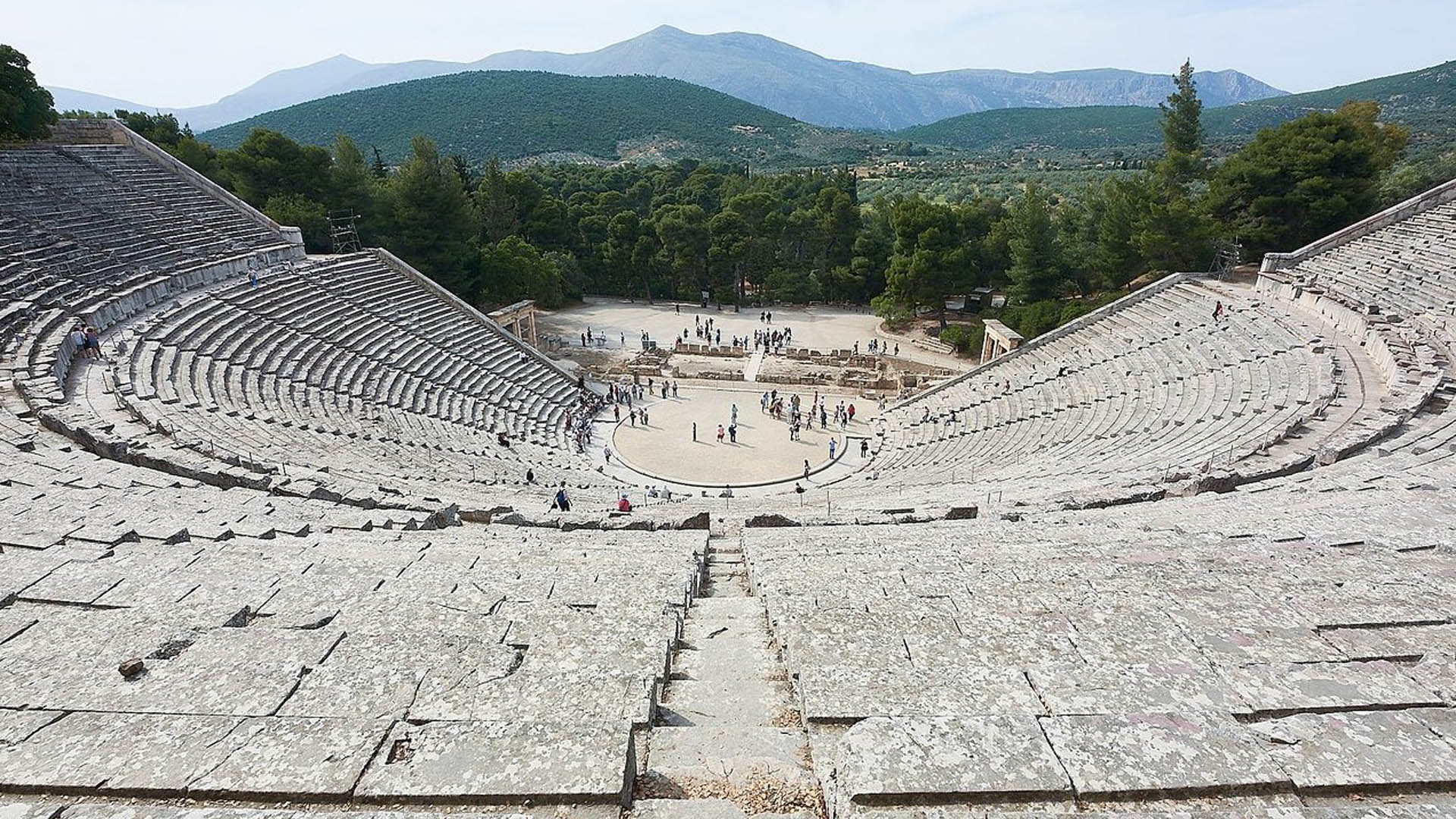
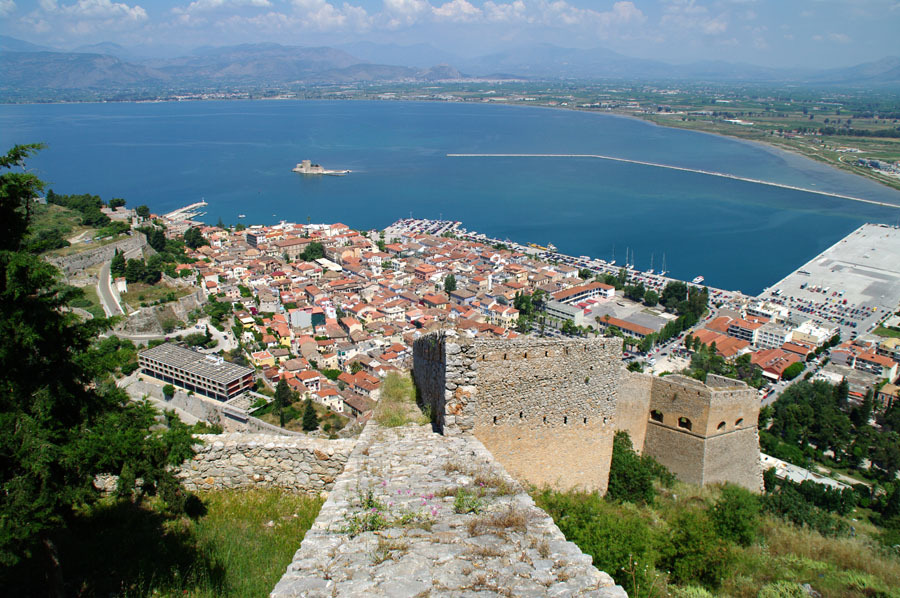
Wander around the site & museum before hopping back in the vehicle and exploring the “old town” of NAFPLIO, the famous Venetian fortress of Palamidi with its 999 steps. Then head to EPIDAURUS, home to an ancient, beautifully preserved theater with the world-famous acoustics.
You have the “option” to add Ancient Corinth to the itinerary of Day 1 and/or walk down the 999 steps of the Palamidi fortress, enjoying fantastic views.


Overnight at probably the most beautiful Greek town, Nafplio.
DAY 2: FROM NAFPLIO TO ERMIONI PENINSULA VILAGE AND CROSSING TO HYDRA ISLAND
After a quick 1-hour drive from Nafplio town, we arrive at the beautiful peninsula village of Ermioni (or Metochi pier) to catch the boat to Hydra. This is a lovely, easy, and quick 25-minute ride (each way) from the Peloponnese mainland to take you to Hydra Island and back. Note: This area of Ermioni, Hydra & Spetses islands, Portoheli, is a hidden gem that Greeks only explore, and which the rich & famous residents from all over the world try to hide even more to preserve the family holiday style.
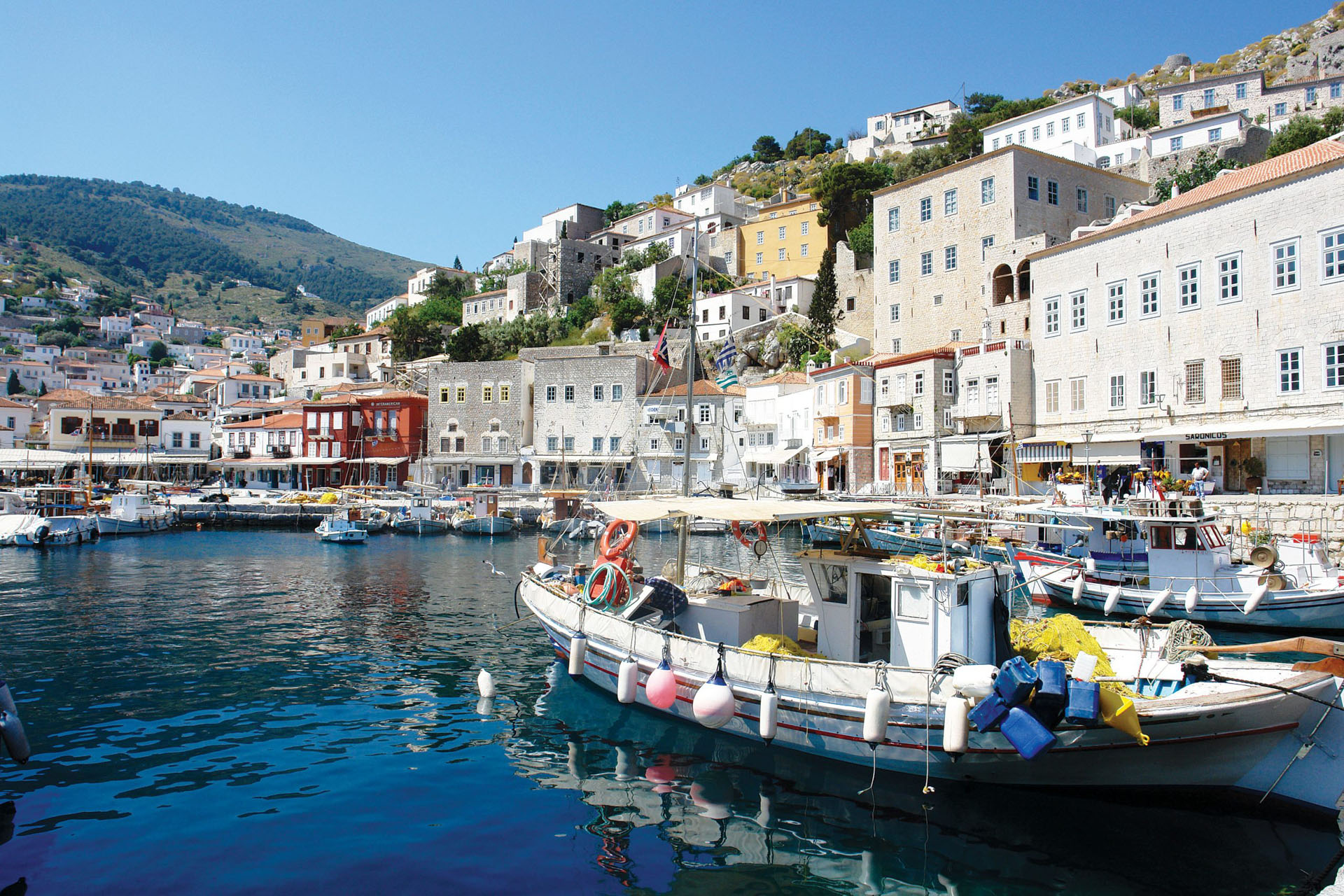
Hydra is a historic, cosmopolitan island and one of the most relaxing in Greece. No cars or noise exist, but it is still extremely popular and “real Greek,” unlike places like Mykonos or Santorini! Explore on foot and enjoy the views, the water, the coastline, and the beautiful narrow cobblestone streets, doors, windows, and houses. [You could consider this a round-trip depending on the time of year and available time.]
[Video: © Eudaimonia Private Tours – Hydra boat trip – Summer 2025]
This will be another overnight in beautiful Nafplio town!
DAY 3: FROM NAFPLIO TO MONEMVASIA CASTLE
Starting from Nafplio, our destination will be Monemvasia, but -should you also agree- we will take not the fast/shorter motorway route but explore the glorious coastline of the East Peloponnese before climbing up the mountain range, with several stops and lunch on the way.
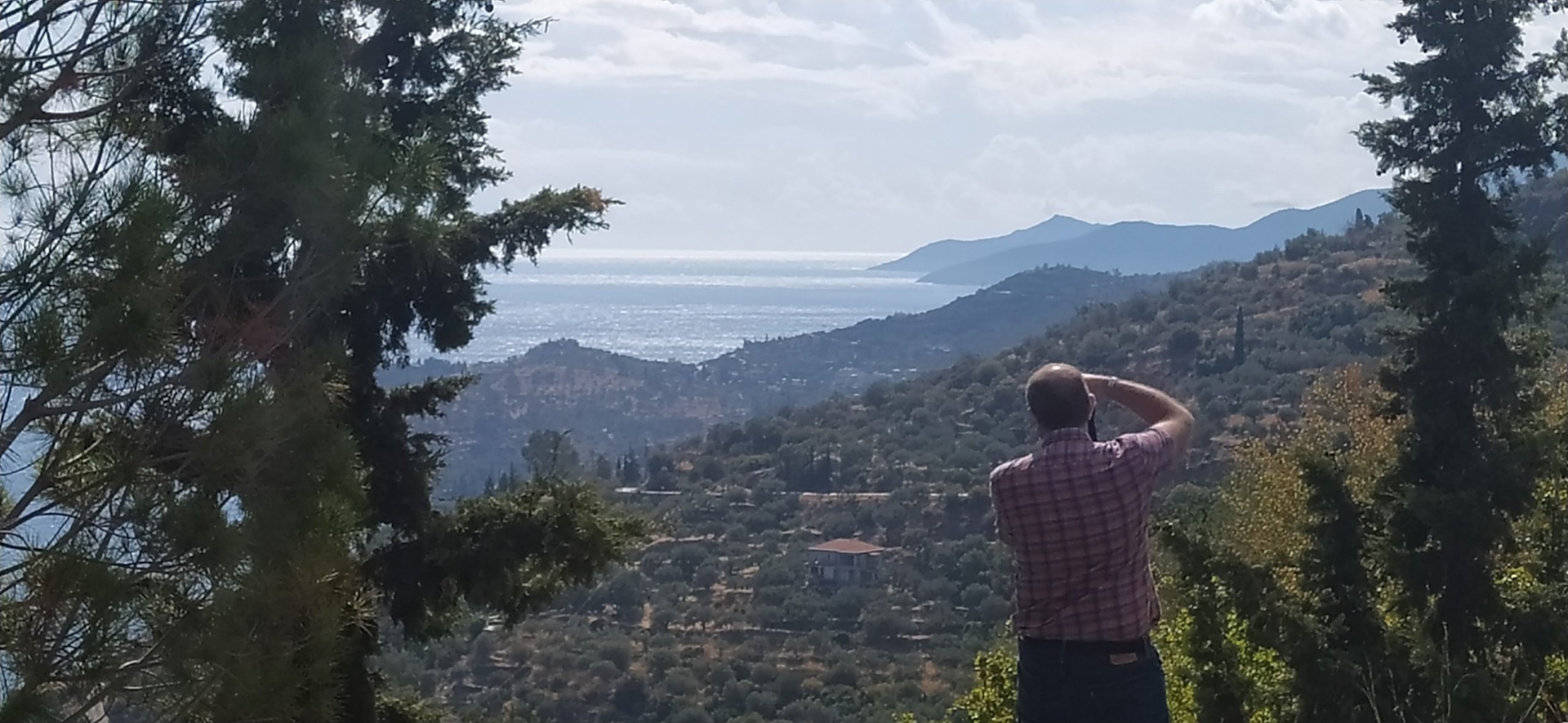
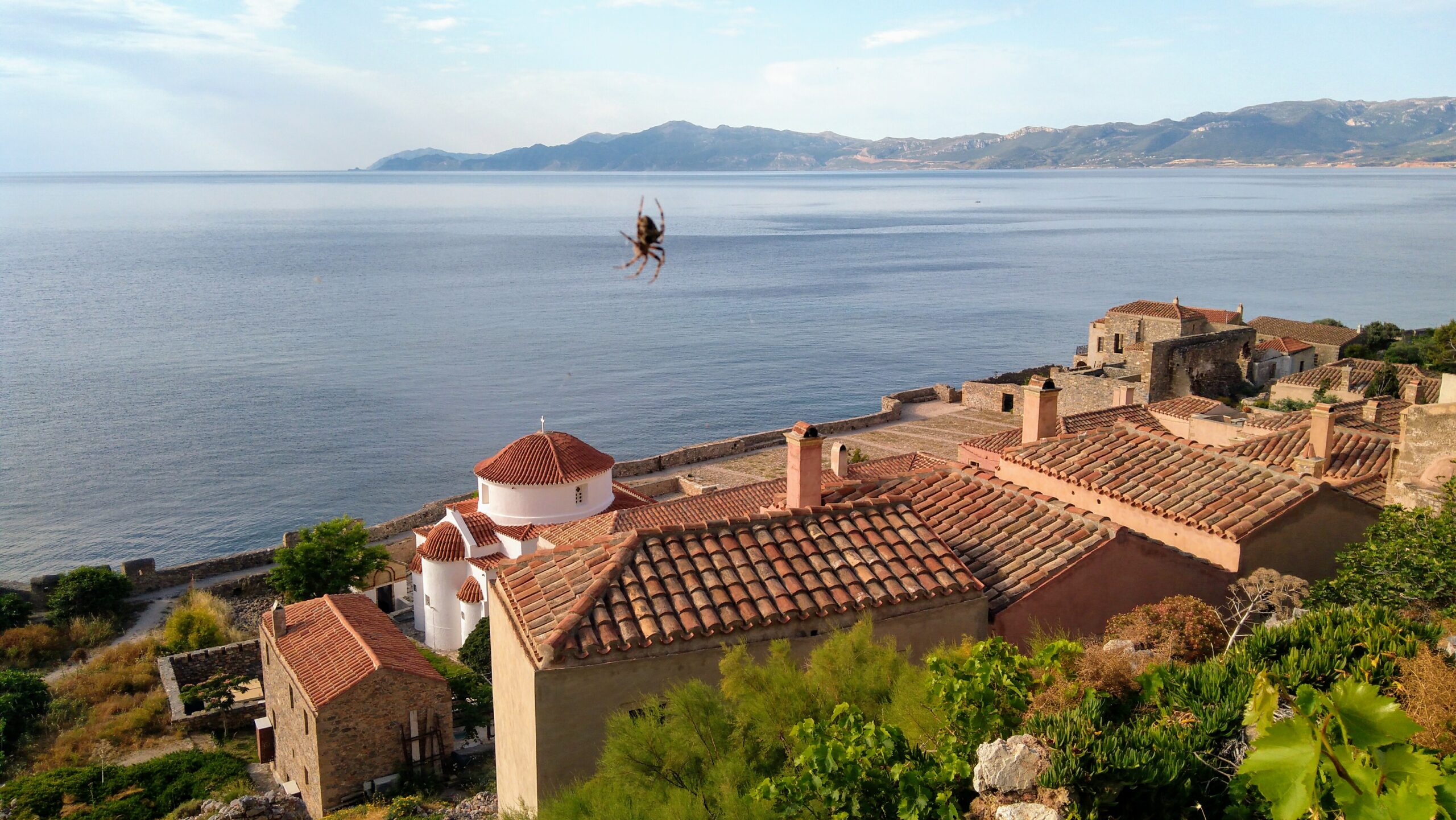
Late afternoon and evening are dedicated to MONEMVASIA, where you will spend the night (if you book early enough to secure one of the great guesthouses of your choice), enjoying the atmospheric castle town, the views of the castle, and the striking blue water, plus food and drink. If you don’t make a last-minute booking overnight, you will be inside the atmospheric Monemvasia castle town.
Monemvasia is located on the 3rd “leg” (peninsula) of the Peloponnese. The tour will continue to the middle leg (Mani) and, optionally, to the 1st leg, which includes the famous Pylos and Methoni Castles, both associated with Homer’s Odyssey (as detailed in the itinerary that follows).


Monemvasia is located on a small island linked to the mainland by a short causeway. The town walls and many Byzantine churches remain from the medieval period. If you don’t make a last-minute booking, you will most likely be accommodated inside the atmospheric Monemvasia castle town.
Optional extra day: Visit of Kyparissi (Cypress) village
Kyparissi is the kind of holiday place that, if you know about it, you can only tell your closest friends about it because you are afraid of spoiling it. But it would be a hard place to “spoil” just because of the difficulties in getting here.


It is a secluded paradise backed by the craggy slopes of Mount Parnon and fronted by the cobalt blue of the Myrtoan Sea. There are 3 parts to Kyparissi. The mountainous Vrisi village, about 100 meters above the level of the sea, is the first one that you meet as you descend from the winding road of Parnonas. Paralia (beach in Greek) is the one that gathers the lion’s share of visitors. Lastly, there is the Metropolis, the most interesting part of the village and the one that overlooks its most beautiful beach.
Adding this extra day to visit Kyparissi also provides an additional evening and night at the atmospheric Monemvasia Castle to relax and enjoy the views!


DAY 4: FROM MONENVASIA TO MANI PENINSULA – SPARTA & MYSTRAS
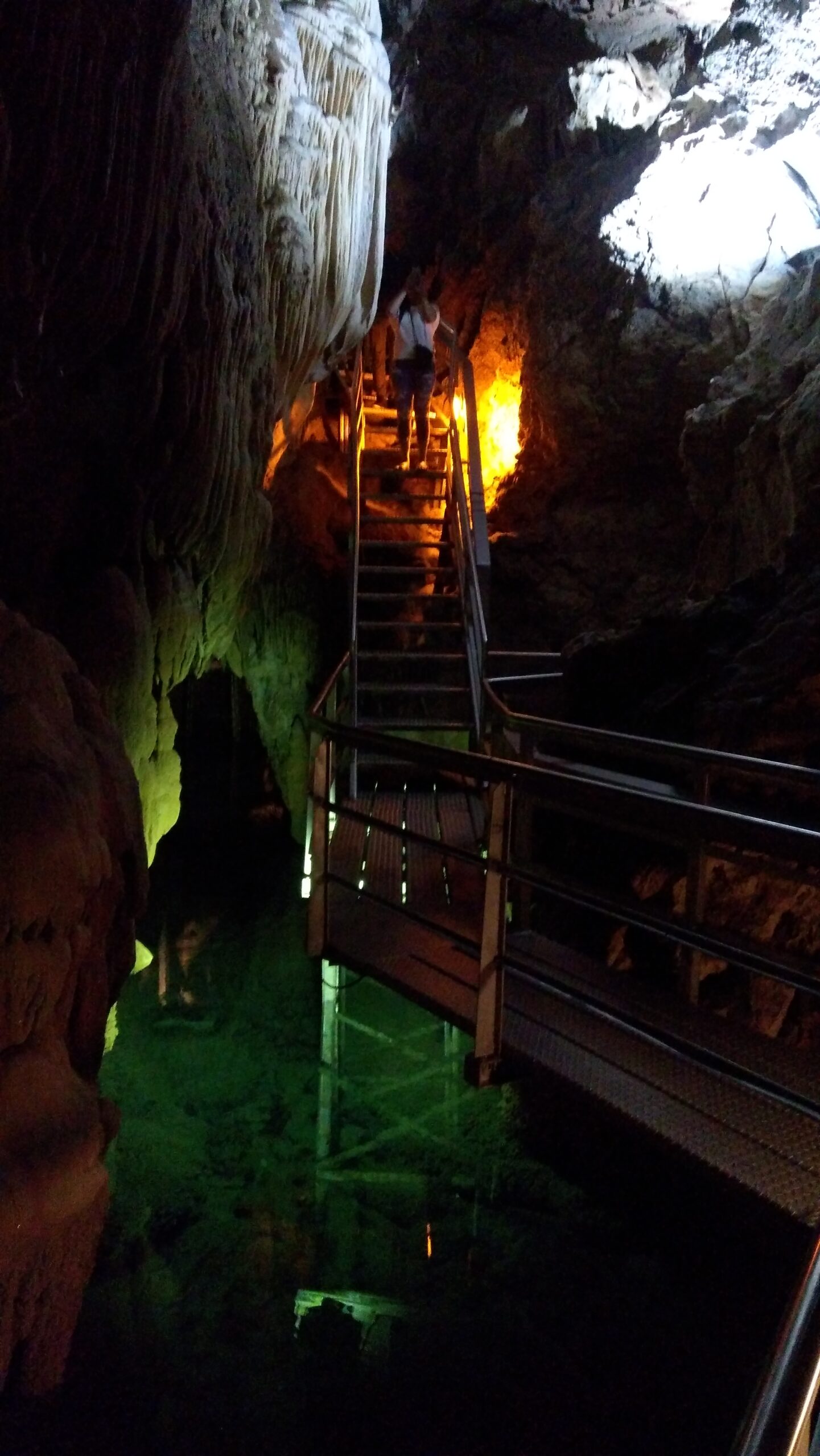
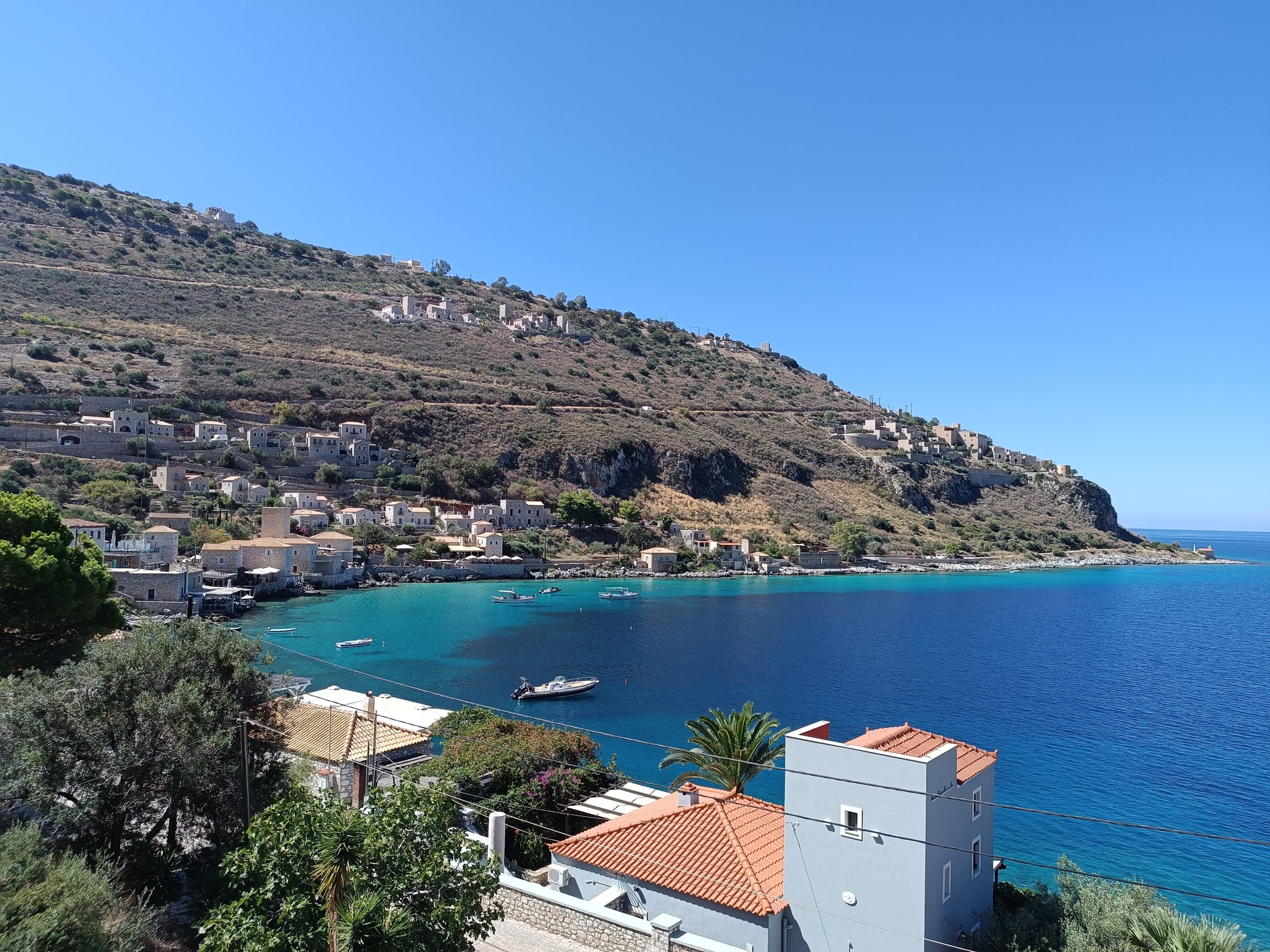
Leaving behind Monemvasia, there will be a long, great day on the MANI Peninsula, one of Greece’s wildest and most beautiful areas—a dramatic coastline of sleepy fishing coves and fortified villages like the beautiful Oitilo, Gerolimenas & Limeni. The amazing DIROS caves that you will optionally explore with a guide and a boat.
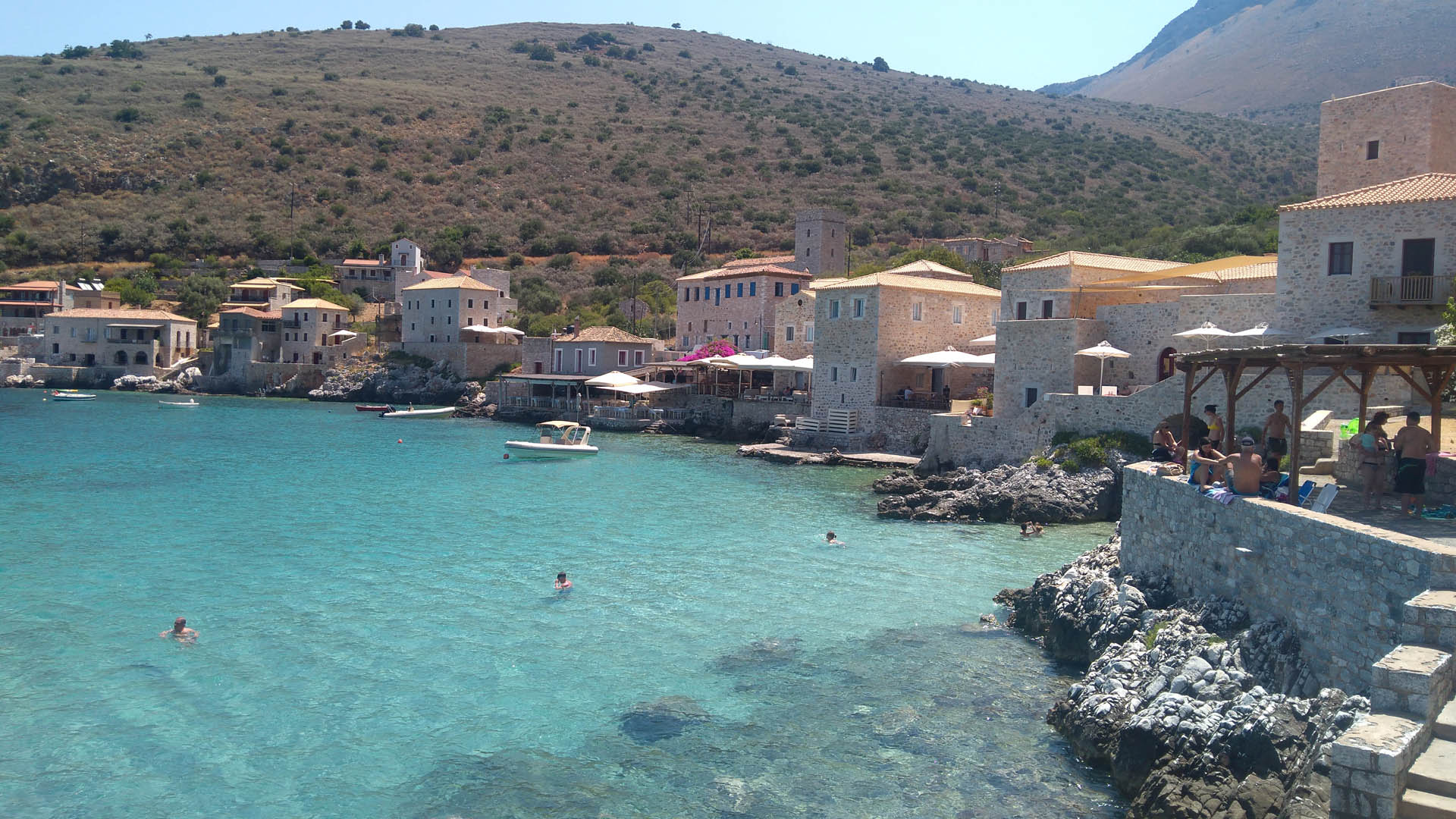 Alternatively, you can skip the caves and focus on exploring the Mani landscape as far as Vatheia, a small settlement of stone towers and abandoned houses that became a ghost village; in recent years, it has become one of the must-see destinations in the Mani Peninsula.
Next is lunch in one of the stone-built villages where Pirates were a permanent threat.


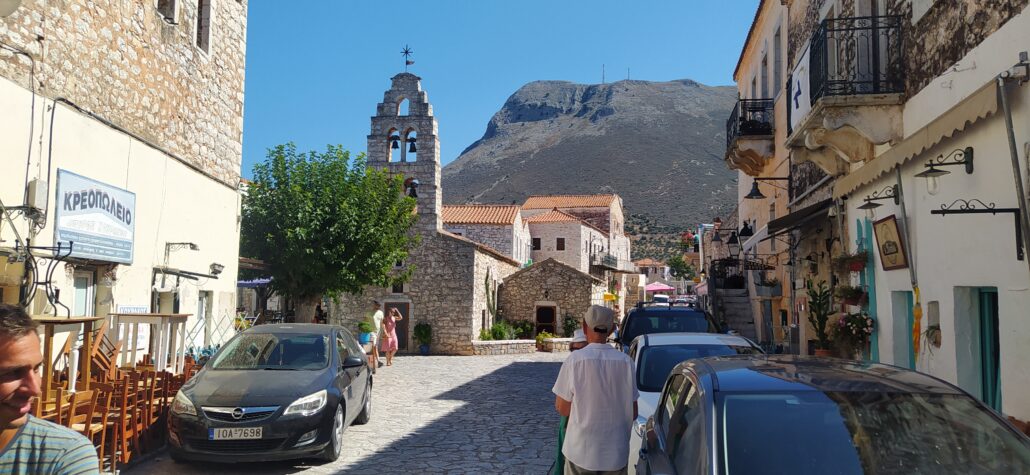
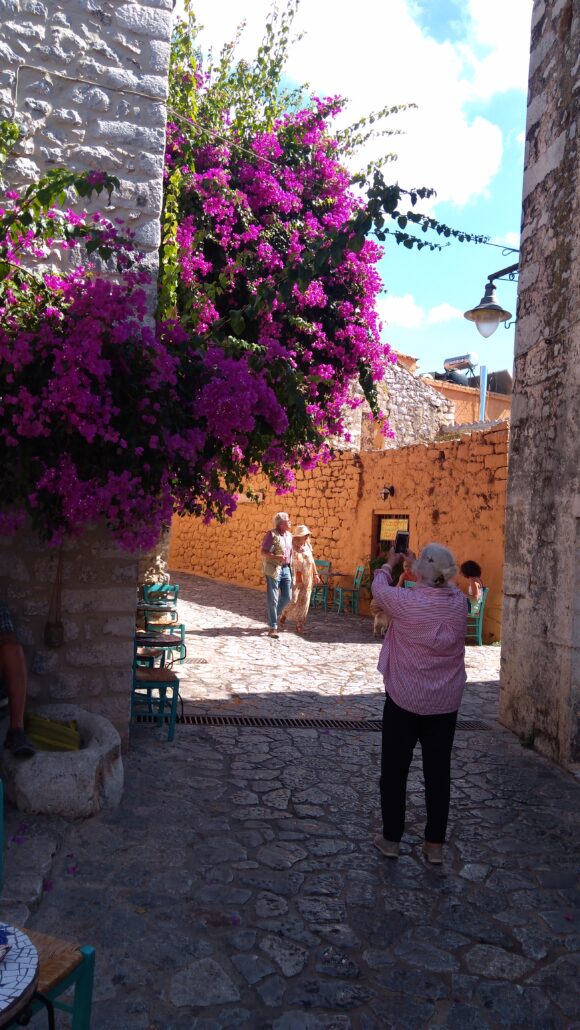


We drive north to SPARTA, the ancient rival of Athens known for its fierce warriors! Wandering around the town of MYSTRAS and the Byzantine castle is probably the day’s highlight.


Overnight at lively Sparta town or Mystras village.
Optional extra day: Visit Pylos, Niokastro, and the Castle of Methoni
From Mystras, we head south again, but driving on the first “leg” (peninsula) of the Peloponnese.
The first stop is the Pylos coastline town, where, according to Homer’s Odyssey, Odysseus was hosted and aided by the legendary king of Pylos, Nestor. In Homer’s ‘Odyssey’, the hero Nestor took part in the voyage of the Argonauts and sent 90 ships to fight in the Trojan War. We visit the Pylos Castle (Neokastro), one of the best-preserved sixteenth-century military architecture fortresses in Greece. It was built by the Turks in 1573.


Further south, we will stop at the impressive Methoni Castle. Built by the Venetians in the early 13th century on a rocky promontory, the castle of Methoni is among the largest ones in the Mediterranean. However, the French and Ottomans subsequently added fortifications. Methoni is one of the largest castles in the Mediterranean, covering 93,000 square meters. To enter the site, you cross the stone bridge with its fourteen arches.


Adding this extra day and visit will result in two nights in Mystras & Sparta.
DAY 5: FROM MYSTRAS TO ANCIENT MESSENE ( not Mycenae) AND TO ZAKYNTHOS ISLAND
In terms of size, form, and preservation, Ancient Messene is one of the most important cities of antiquity and still offers much to see. It boasts not only religious and public buildings, but also imposing fortifications, houses, and funerary monuments.
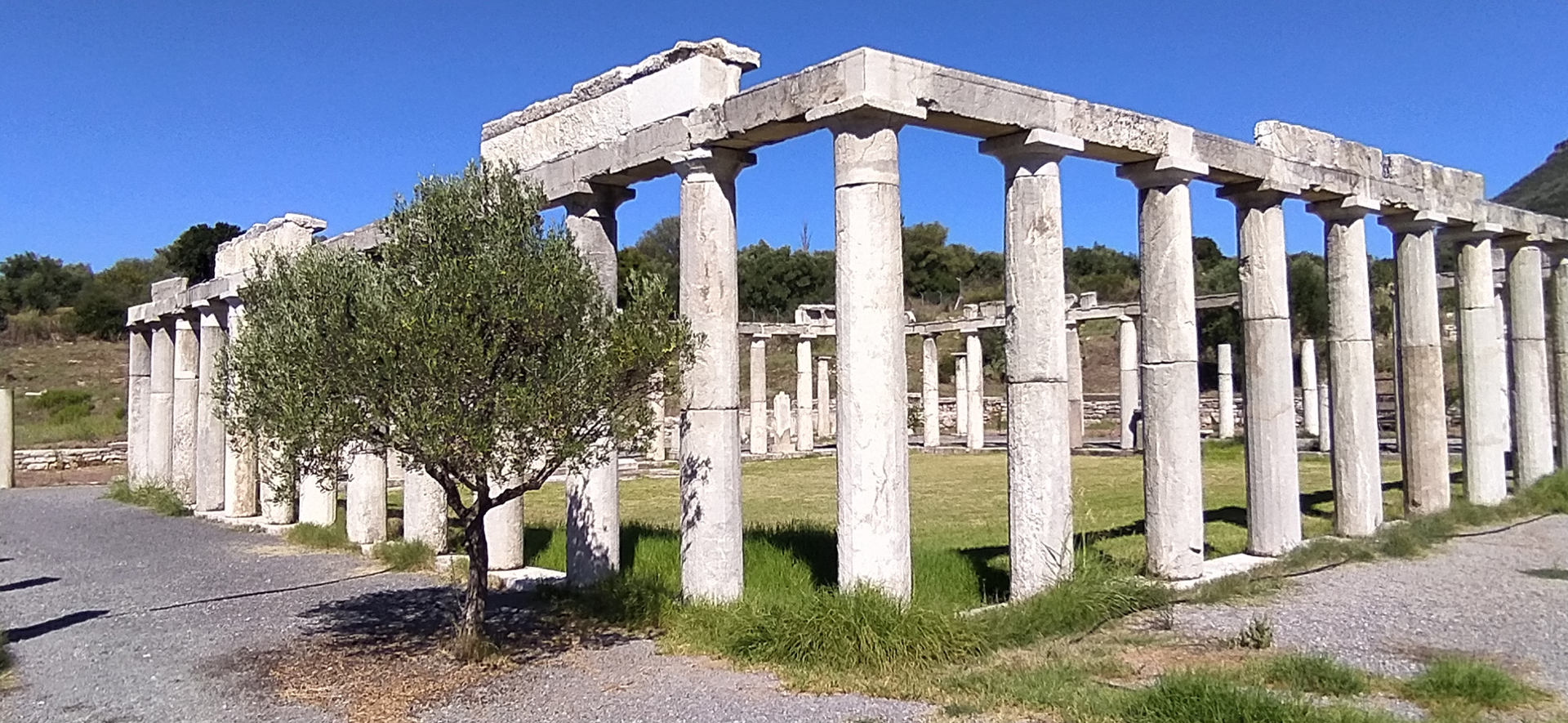 The spectacular remains uncovered through excavation—mainly in the last thirty years or so—have made it clear that Messene prospered until well into the Roman period.
The city has the rare advantage of not being destroyed or covered by later settlements, and it is situated in an untouched Mediterranean natural environment. This landscape combines the mountainous majesty of Delphi and the lowland riverine tranquillity of Olympia.


For some, Ancient Messene is -maybe- only second best to the Acropolis and the Parthenon. However, it is even better for visitors due to its size and numerous findings. It is not well known or visited due to its remote location, which is not an issue for this multi-day tour. Overnight at one of the Arcadia mountain villages.
The day continues with a ferry to Zakynthos Island for a 1-hour, 15-minute, great boat ride in the deep blue water of the Ionian Sea. Ready to explore the island for the whole of the following day.
DAY 6: EXPLORE ZAKYNTHOS BY CAR & BOAT, OR optionally CAR ONLY
Your tour leader will make sure you see the best of Zakynthos Island.
☼ The “color of love” at the Blue Caves runs through all the shades, from navy to turquoise and back again. You’ll know only if you visit.
☼ The Shipwreck Beach. For some, an iconic shot is widely seen on Instagram and other social media platforms.
☼ The Zakynthos sunset from our secret spots. Expect some spectacular lunch and dinner locations!
☼ The port of Zakynthos from above.
☼ The Caretta-Caretta turtles of the Laganas hatching Bay.
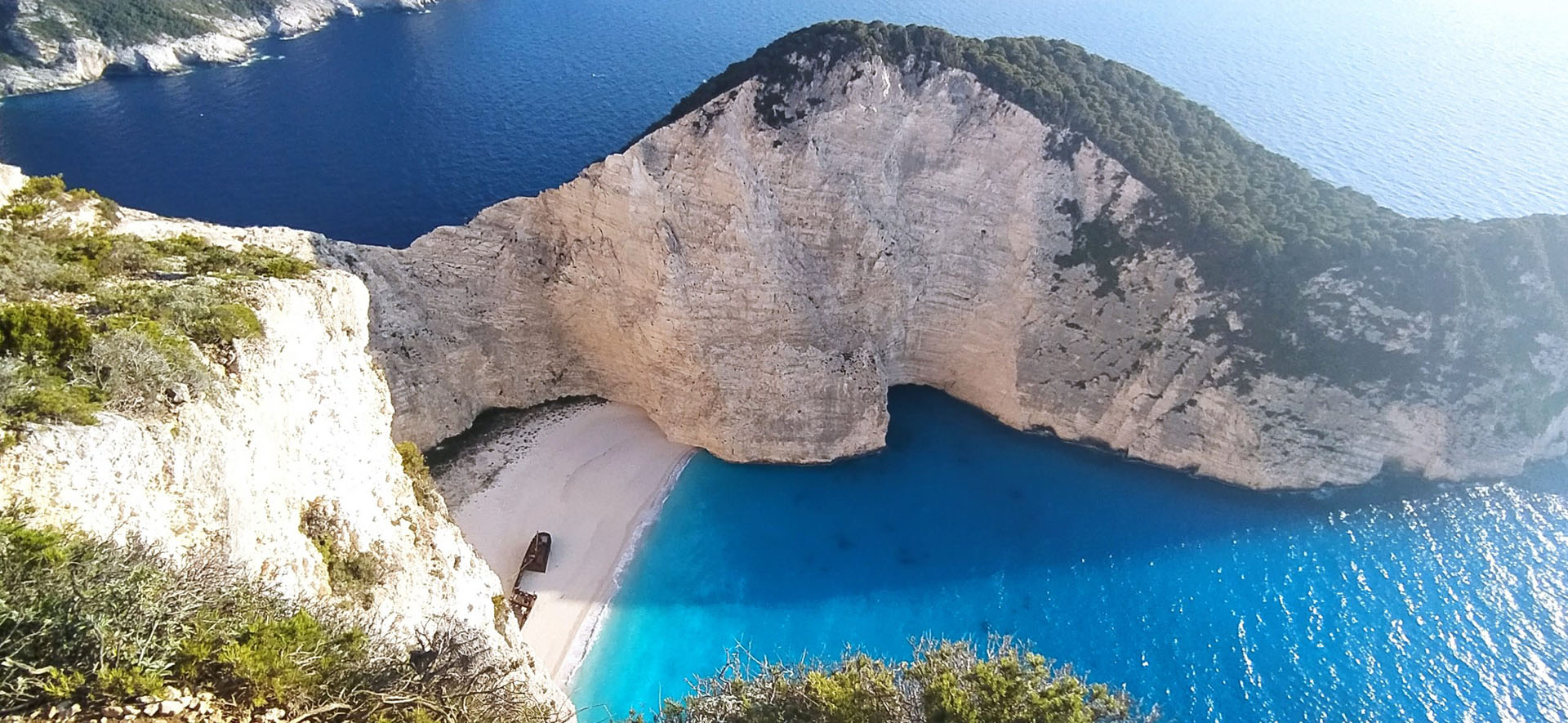
We will drive to the north side of the island to explore, then board a boat to visit the famous Navagio Beach and the Blue Caves. At both locations, you will have the option of a swim. At Navagio, you will spend about 45 minutes exploring and enjoying the beach, whereas at the Blue Caves, it will only be a quick stop for another optional swim. Depending on the weather/wind, the boat tour of Navagio can be replaced by a tour of the south side of Zakynthos, which is equally impressive, with Marathonisi island, and surrounded by sea turtles.


The above itinerary is very flexible, and you have the following options, although the weather could also decide for us:
☼ Exploring the island only from the comfort of our vehicle, enjoying the coastline views, OR …
☼ Join an approximately 2-hour boat tour of the north or the south side of the island (depending on the weather conditions) and then explore by car for the rest of the day.
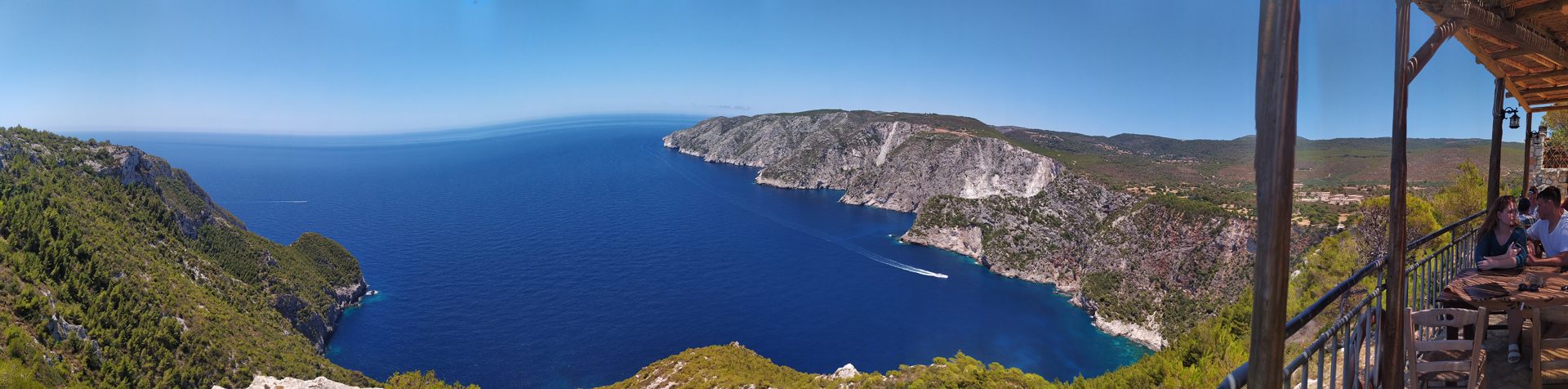
We could also visit the Shipwreck to photograph it from above, or, if you prefer, extend our day to enjoy a sunset dinner at the cliffs on the island’s west side before heading back to your hotel. The next morning usually starts early to catch the early-morning ferry.
DAY 7: FROM ZAKYNTHOS ISLAND TO ANCIENT OLYMPIA & THE ARCADIA MOUNTAIN VILLAGES
Breakfast or NO breakfast (depending on the ferry timetable) and an early start to cross back to the mainland (Peloponnese) to visit the UNESCO World Heritage site & Museum of Ancient Olympia. You’ll walk through the impressive ruins of the area where athletes trained and ran in the old stadium, just as ancient Olympians did after victory 3,000 years ago. Olympia hosted the original Olympic Games, founded in the 8th century B.C. Its extensive ruins include athletic training areas, a stadium, and temples dedicated to the gods Hera and Zeus.
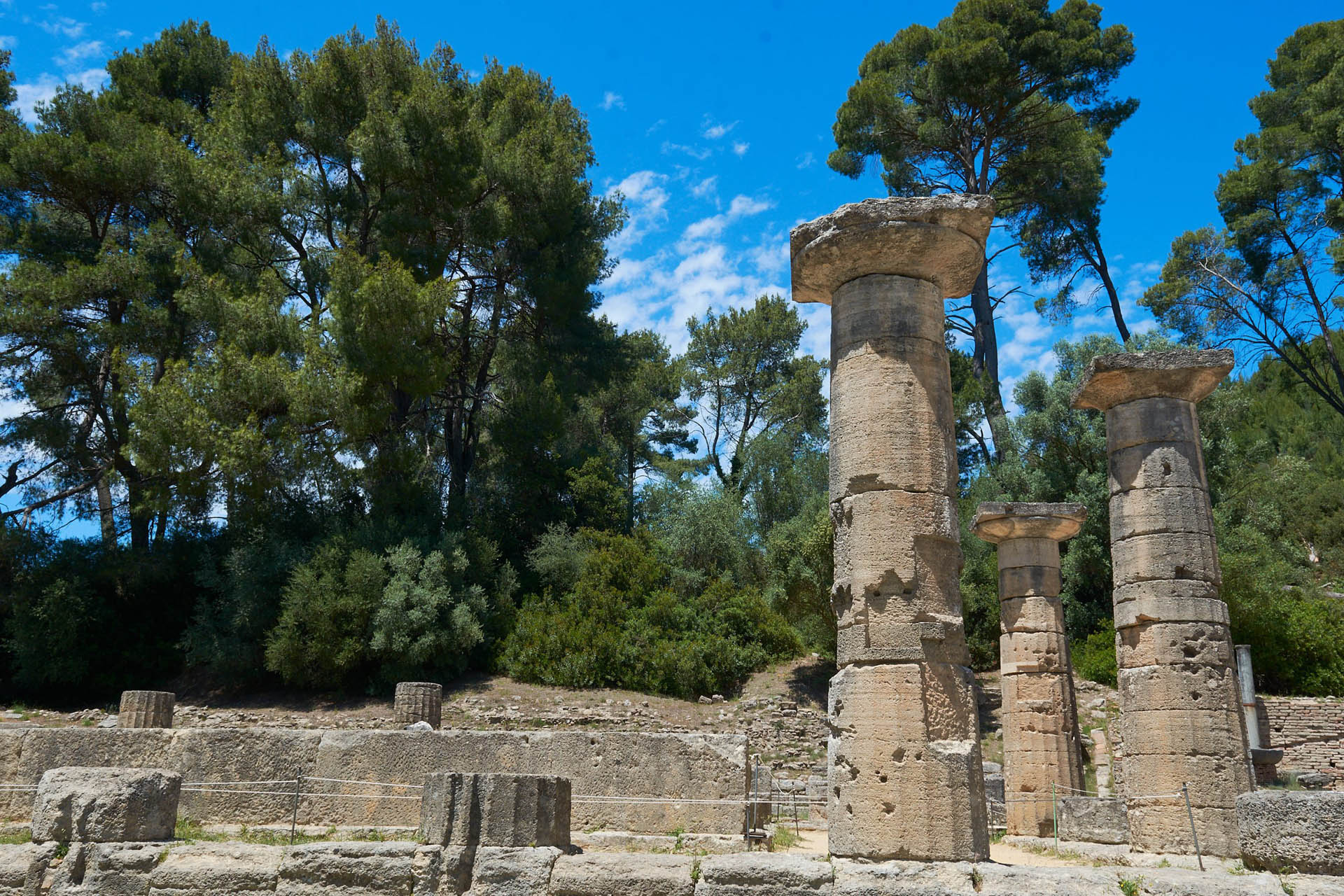
You will also visit the world-famous Olympia museum and get the chance to see some unbelievable sculptures, such as the sculpted decoration of the marble temple of Zeus, one of the Seven Wonders of the Ancient World, and the famous Hermes carved by the ancient Greek sculptor Praxiteles.


Next, we head for the Arcadia mountain range in the center of the Peloponnese to overnight at one of its famous stone-built villages.
Optional extra/relax but still exploring day: Arcadia Mountain Villages & Cliff Hanging Monasteries
The Arcadia mountain villages are ideal if you want to spend an extra night (and day) while still exploring locally. There is a lot to see, and the location and accommodation are outstanding.


The optional extra day means one more night at the village and accommodation! Best balcony views of the trip!
DAY 8: CAVE OF LAKES, ODONTOTOS RACK RAILWAY, RION BRIDGE & DELPHI
Breakfast at a mountain village of Arcadia, and we head to another mountain range to visit the very popular Cave of Lakes, which is only the beginning of a long day.
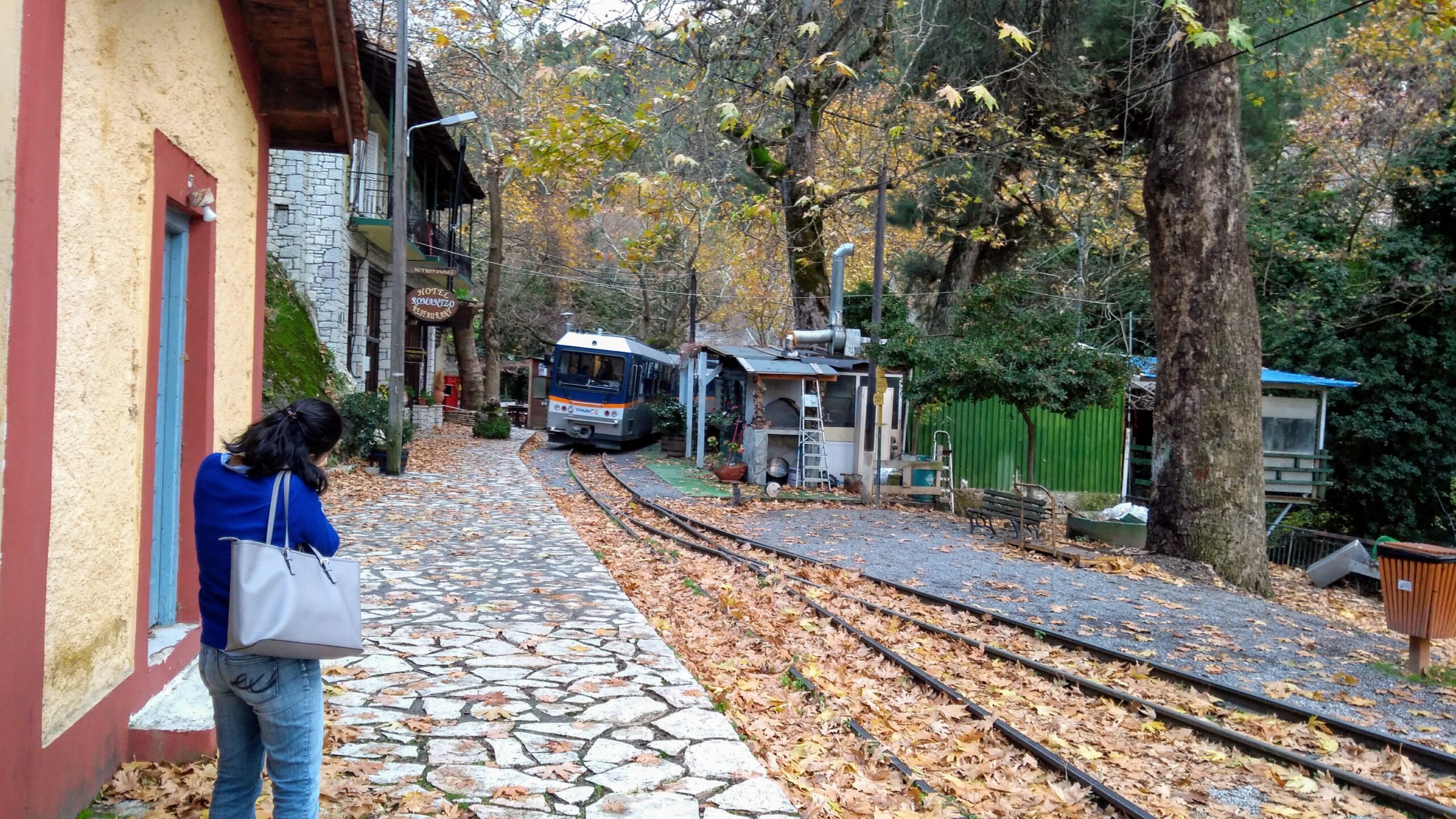
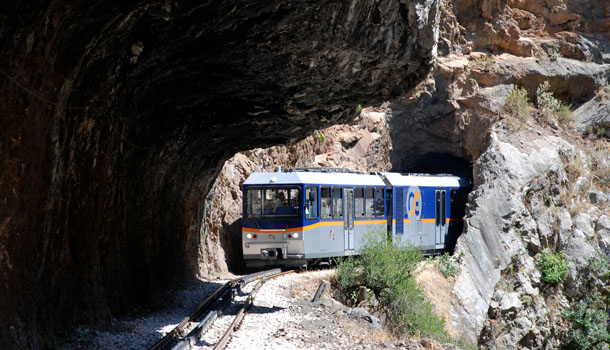
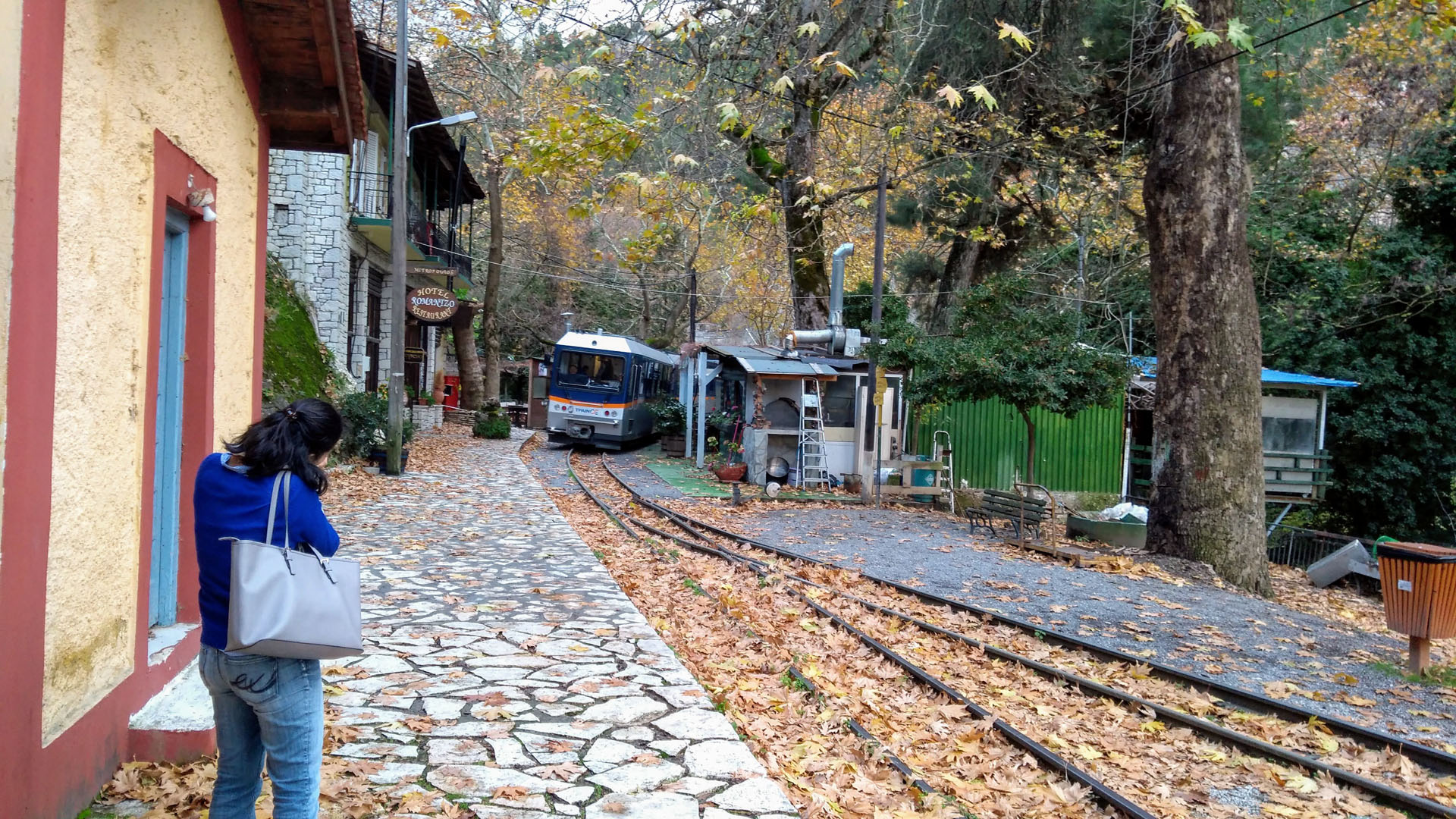
After a fantastic lunch and drinks at the top of the mountains (next to a ski center), you will ride the Odontotos Rack Railway train from the top of the hill down to the coastline through the Vouraikos River/gorge. If the train is not running (it happens!) or the times are not convenient for the day’s itinerary, we’ll skip it and still climb down the mountain, enjoying amazing views of the Corinth Gulf.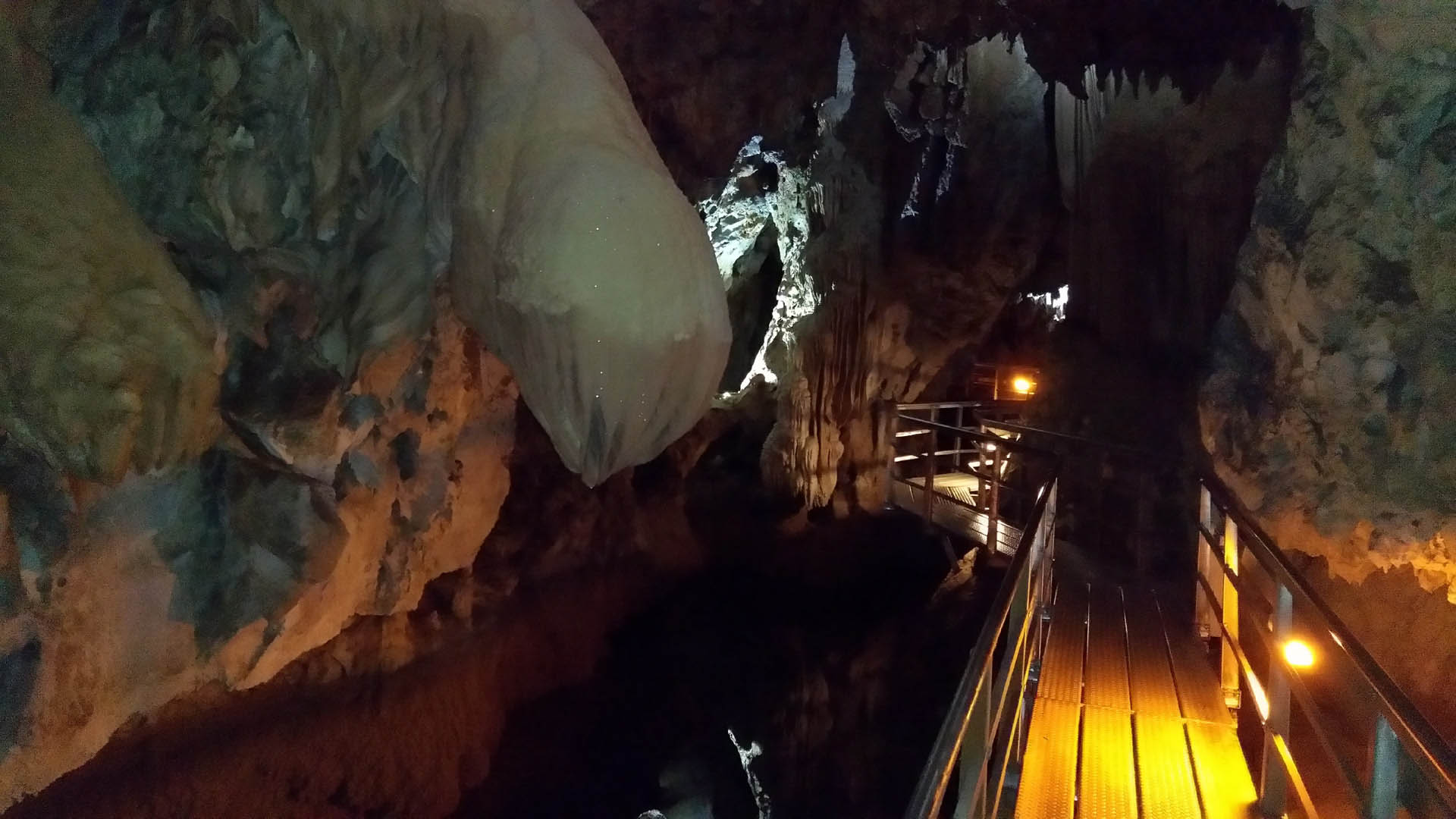
Our target for the late afternoon is to reach Delphi by crossing the impressive Rion Bridge, which is one of the world’s longest multi-span cable-stayed bridges and the longest of the fully suspended type. It crosses the Gulf of Corinth, linking the Peloponnese peninsula to mainland Greece by road.


The Archaeological Site & Museum of DELPHI, one of the most important in Greece, exhibits the history of the Delphic sanctuary, home to the most famous ancient Greek oracle. Its rich collections comprise architectural sculptures, statues, and minor objects donated to the sanctuary. These reflect its religious, political, and artistic activities from its early years in the eighth century BC to its decline in Late Antiquity.
After exploring DELPHI, we’ll finally overnight at a surprise location away from the many tourist traps of this highly touristy-spoilt Delphi area.
DAY 9: FROM DELPHI TO IOANNINA LAKE/TOWN
This is a long trip to Ioannina city, the Jewel of Western Greece, in northern Greece. There are many places to enjoy a coffee break and stretch your legs before arriving in Ioannina.
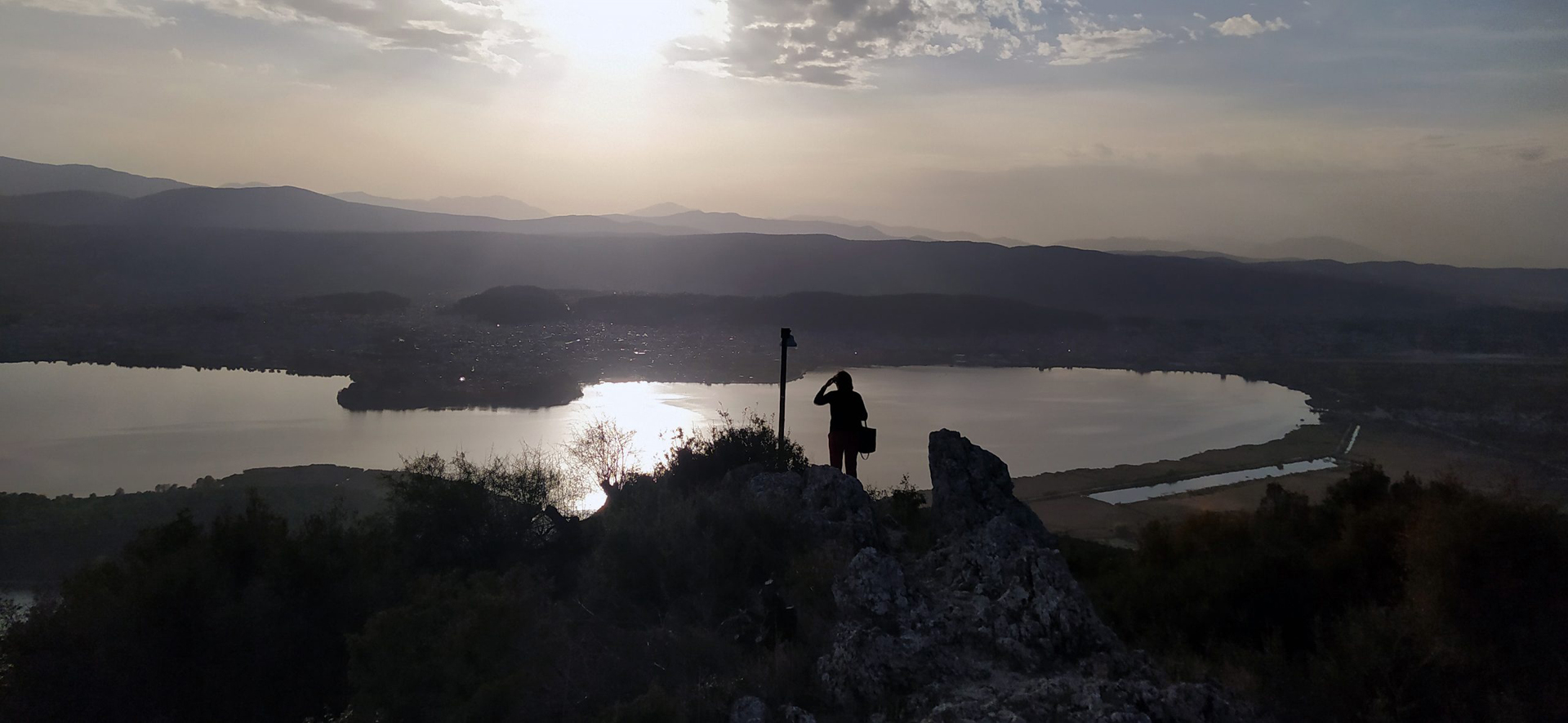 This elegant town has a long history of multiculturalism. You will be immediately captivated by the legends of Ali Pasha, the former Ottoman ruler of Ioannina, the narrow streets of the Castle district, and the beauty of this highly vibrant lake city.


Although the next day will be dedicated to exploring the famous Zagorochoria villages, Ioannina will be there for you to enjoy on foot for two evenings. You will spend two nights in this town at a beautiful, ideally placed boutique hotel.


Knowing the area like locals or even better, we will experience the Greek landscape, views, people, food, and hospitality that even Greeks would not know how to.
DAY 10: A DAY TOUR FROM IOANNINA TOWN TO EXPLORE the ZAGORI VILLAGES (Zagorchoria)
After breakfast, we begin our journey back in time to visit the famous Zagorochoria, “where stone gives birth to stone”. These are the most famous villages in Greece and a dream visit for even a Greek. This is a day to explore and fit in as much as possible, at your own pace and preferences.
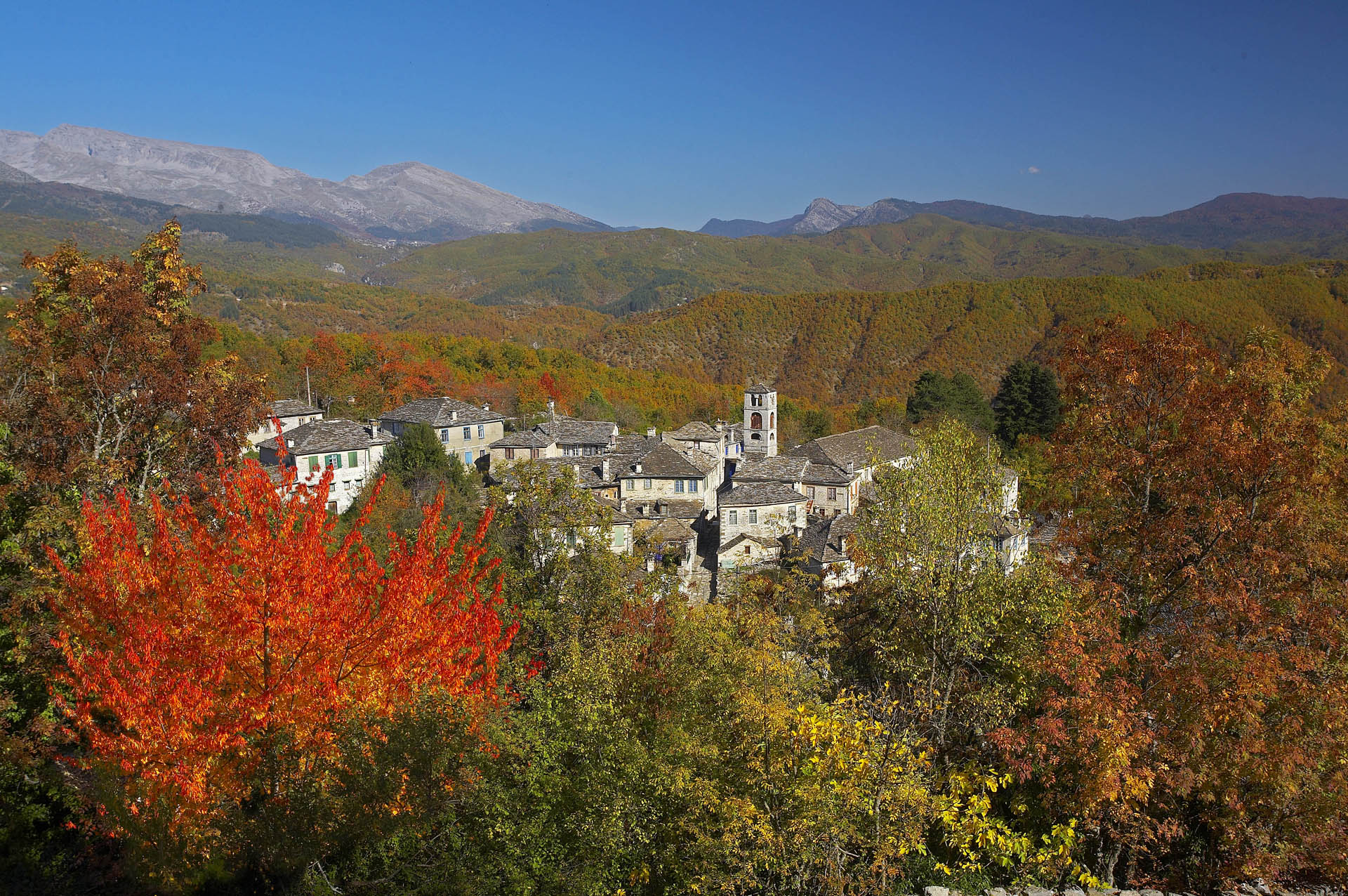 We visit the villages we know are the area’s trademarks, and the non-touristy ones too! Some incredible viewpoints & locations:
☼ The famous Vikos Gorge
☼ The unique village of Aristi
☼ The Rock Pools
☼ The beautiful blue waters of the Voidomatis River/bridge, where river rafting begins
☼ The … “Stone Forest.”
☼ The Oxia viewpoint of the Vikos gorge.
Of course, the small and large Papigo villages, for many, are considered Greece’s most beautiful mountain villages. Walking around the stone-paved alleys is necessary to discover the beauties of this unique place!
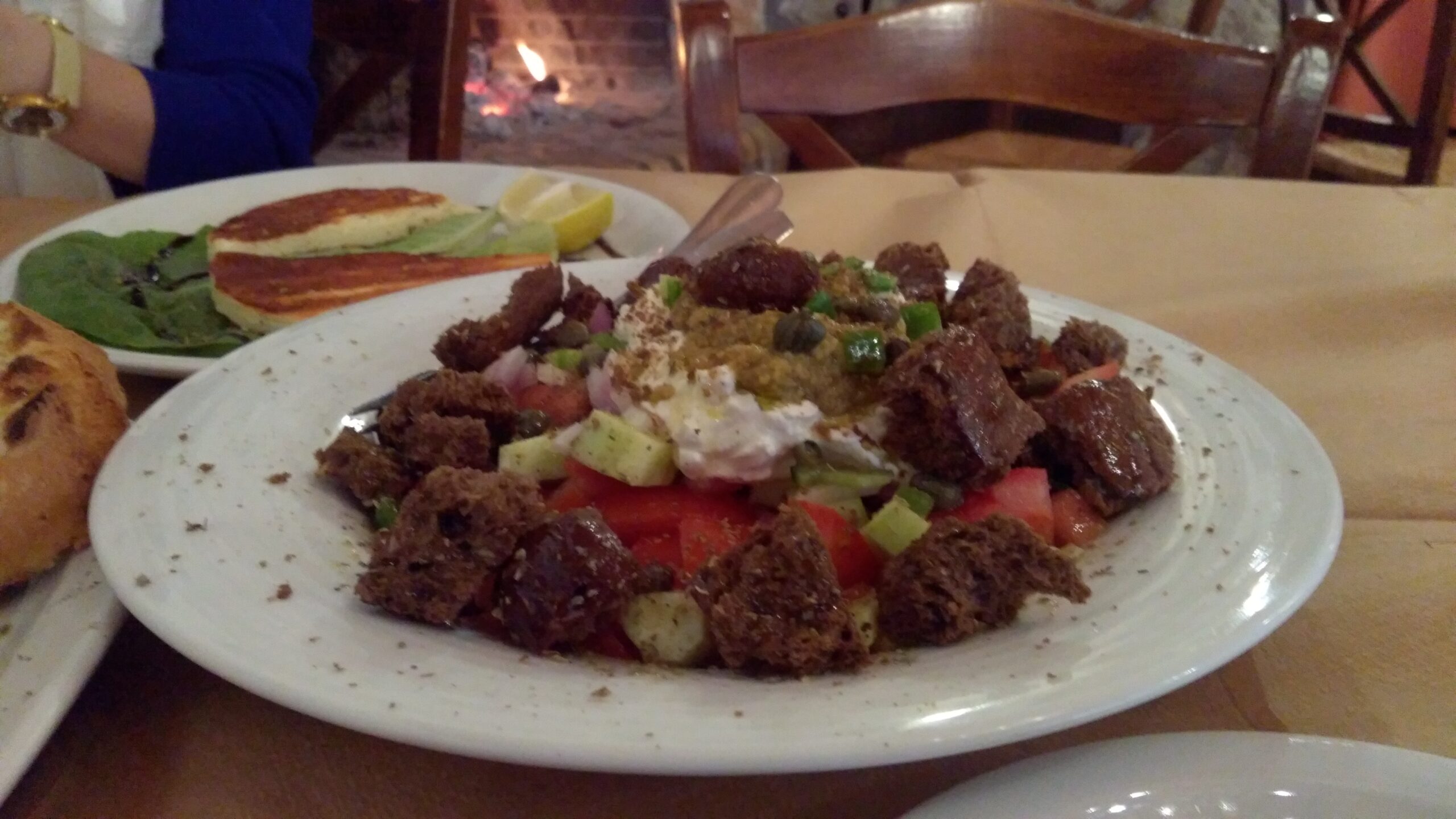
And … there is more. The area’s famous local dishes & pitas will be the primary focus of our lunch and drinks at a hidden location, where we can enjoy genuine hospitality & atmosphere.


On our way back to our base in Ioannina city, we shall visit a special location from which you can admire the whole city, the lake, and the island inside the lake.


In the evening, you must grab the chance to explore the city’s castle, situated right next to your hotel, and maybe enjoy a walk next to the lake, as most of the locals do.


A second night in Ioannina at your very well-located hotel.
DAY 11: THE “BAKERY & COOKING” EXPERIENCE
Still at Ioannina city, we visit a nearby village for the “Best Bakery in the World” cooking experience, and one (but flexible) of the Perama Caves, or Wine Tasting, or the “Outdoor Gallery Village”, or the beautiful Holy Monastery of Tsoukas … lots to choose from! This will be the 3rd final night at Ioannina.
Main activity: The Bakery & Cooking Experience at the “BestBakeryInTheWorld.”
As your guests step into our warm, aromatic family bakery, they will join us for a baking and cooking experience they will never forget. Under the expert guidance of Kostas, a Master Baker and true artist/artisan who has perfected his craft over 33 years, they will have the opportunity to learn the secrets of traditional Greek recipes and discover the authentic flavors of this enchanting region while being introduced to the vibrant culture and way of life in our charming village.


During your Bakery experience, Kostas will guide you through the intricacies of crafting authentic Greek pies and sweets exclusive to this region and his family. Of course, you will enjoy the fruits of your labors with a big Greek lunch, sharing stories, and learning about each other’s cultures and the amazing region of Epirus.


>> You can read more about the Bakery & Cooking Experience from our post.
On the same day, you will have the option to include one of the following but nothing (except the cooking experience) to be decide in advance:
[Add-on 1: Wine Tasting]
A visit to one of the two local wineries for a tasting can be arranged while the Bakery’s main activity takes a break to cook the last pies; they may also want to visit one of the wineries for a tour and tasting.


[Add-on 2: The “Perama Cave” at Ioannina Lake]
As an alternative, if wine tasting is not your thing, we can start the day by visiting Perama Cave and admiring nature’s work—a three-story palace with incomparable beauty and fantastic ornamentation. It lists 19 species of stalactites and stalagmites, whereas in other caves, there are typically 6-10 species at most.


[Add-on 3: The “Papayiannis” Contemporary Museum with outdoor/street art]:
A unique museum at Ellinikon village (near Ioannina, our base) of the internationally well-known Greek sculptor Theodoros Papayiannis.


His work, although it depicts the local Epirot tradition, is also modern and includes sculptures with ecological significance or made from recycled materials. Even the road to the village is very interesting, with some works of art “exhibited” along the way. A visit to the museum will certainly please both adults and kids.


Furthermore, next to the village, the Holy Monastery of Tsoukas commemorates the Nativity of the Virgin. It was founded by the Emperor Isaac II Angelos in 1190. It is a monastic complex with fortress-like structures, including cells, a catholicon, a cistern, and a chapel dedicated to the Virgin.


Note: Only one of the three/four mentioned add-ons can be added to the main activity of the “Bakery & Cooking Experience”, which you should assume is subject to availability
DAY 12: FROM IOANNINA TO KASTORIA TOWN WITH STOPS AT KONITSA BRIDGE & MASTOROCHORIA (villages)
We leave Ioannina behind and drive just one hour further north to the town of Konitsa, where we stop at what most people call the “Paradise of nature”. Konitsa bridge, majestic mountains, rushing crystalline rivers like Voidomatis & Aoos, dense forests, and panoramic views.


On the way to our overnight destination, Kastoria, we will make several stops at picturesque villages (Mastorochoria) to enjoy authentic hospitality before we arrive at Kastoria (for two nights).


Kastoria city is the Lakeside Jewel of Northern Greece and part of the Macedonia region, home of Alexander the Great and his father, Philip. It is situated on a promontory on the western shore of Lake Orestiada, in a valley surrounded by limestone mountains.

Following the lake’s shore from South to North, you will explore the city and feel its beauty and tranquillity. The lake promenade, shaded by beech and plane trees and the neighbouring forests, creates a mystical atmosphere and is home to 200 species.


Some of the sites include the Monastery of Panagia Mavriotissa, the old neighbourhood of Doltso, Dragon’s Cave, Profitis Ilias Church, and, of course, Dispilio (Neolithic Settlement Reconstruction). More than enough for a day!


Overnight at Kastoria!
DAY 13: KASTORIA CITY AND PRESPES LAKES [at the border of 3 countries]

After breakfast, we will visit Dispilio. It is a remarkable Neolithic lakeside settlement dating back over 7,000 years. Built on wooden stilts along the shores of Lake Orestiada, Dispilio offers a rare glimpse into prehistoric daily life, with reconstructed dwellings and artifacts that reveal early architecture, farming, and community organization. Peaceful, atmospheric, and deeply evocative, it’s a quiet highlight for travelers interested in Greece beyond the classical era.


Then, heading north of Kastoria, we will arrive at the Prespa Lakes [Great and Small Prespa]. One of the most important wetlands in Europe, the Prespa lakes are considered a paradise for migratory birds, including the Dalmatian pelican, the cormorant, and the heron. From the traditional settlement of Psarades (meaning “fishermen”), a boat ride will take you to the caves where hermits once lived and to admire the rock paintings of the Hermitage of Panagia Eleousa.


We will also cross the floating bridge leading to the island of Saint Achilios in Small Prespa and admire the ruins of this 10th-century church.


Depending on the time of year, we could make a brief detour to visit Mikrolimni. It is a tiny lakeside hamlet on the shores of Small Prespa, known for its deep calm and untouched character. Far from mass tourism, it offers pure nature, silence broken only by birdsong, and a traditional lakeside taverna serving local flavors with timeless views. And … maybe have a chance to taste the famous local sweet red peppers of the area (Florina).


After lunch & drinks by the lake (location may vary depending on the day of the visit), we return to Kastoria for the second night in the lake city. Time permitting and depending on energy levels, we will explore additional attractions in Kastoria.
Optional extra day: From Kastoria to Thessaloniki (the 2nd biggest city in Greece)
This is a big, exciting day with plenty to see, visit, and taste. After breakfast, we head East to visit “The land of the Nymphs”: Nymfaio village. It’s no secret that Nymfaio is one of Greece’s most beautiful villages! It is a traditional settlement at an altitude of 1,350 m and has been designated one of the ten most picturesque villages in Europe by UNESCO. Nymfaio is a year-round, charming destination that combines the remarkable beauty of nature, a distinctive, glorious past, unique traditional guesthouses, and numerous cafes and restaurants.

It is also famous for its Arcturos sanctuary, located in a beautiful beech forest 1,5 km from Nymfaio. Formerly captive bears live in a 5-acre fenced area that replicates a natural habitat. Visit the bears cared for by ARCTUROS, living safely in a high-mountain area at 1,350 meters — a truly unforgettable encounter. Read more about the Nymfaio Village & Arcturos: Where humans & predators meet again from our post.


Next is “Xino Nero,” which translates to “sour water”, but it is not. Xino Nero is a small village, best known for its natural mineral water springs, which means naturally carbonated water. Nestled in a scenic landscape, the village is surrounded by unspoiled natural beauty. Its distinctive mineral water, characterized by a slightly sour taste that gives the village its name, is bottled locally and distributed across Greece as a celebrated regional product. Beyond its famous water, Xino Nero offers visitors an authentic glimpse into traditional Greek village life and is a charming stop for those exploring the area.

The Primary School building is one of the most significant structures in the area. It adorns the village square, was built before 1880, and is designated a protected site. The village is also known for its local specialties, including traditional tavernas that serve regional dishes such as slow-cooked meats, wild greens pies, and handmade pasta, as well as high-quality dairy products, local honey, and, of course, its signature mineral water. Ideal for travelers who value tranquility, wellness, and heartfelt Greek hospitality away from the crowds.


Optional Wine tasting
A short drive further, in the Amyntaion and Naoussa area, you can consider an optional wine-tasting stop. Enjoy the stunning views of Lake Vegoritida at the Yiannis Boutaris winery (the most iconic winemaker in Greece), Alpha Estate, Dimopoulos winery, and many more. Wine production in the Naoussa area (the nearest town) has a long and storied history spanning many centuries. Written records show that vine cultivation and winemaking were already established by the 16th century. During Ottoman rule and into the late 19th and early 20th centuries, Naoussa’s wines were widely traded across Central and Eastern Europe, as well as in Alexandria, Egypt. At that time, vineyards were the region’s primary crop, exports thrived, and the local population enjoyed significant prosperity.

Enjoy the stunning views of Lake Vegoritida at the Yiannis Boutaris winery (the most iconic winemaker in Greece), Alpha Estate, Dimopoulos winery, and many more. Wine in the area has a long history dating back many centuries.


Finally, if you chose the extra day, we would proceed to the second-largest city in Greece, Thessaloniki (“Salonica” for some), for an overnight stay. Much smaller than Athens, Thessaloniki unfolds along the sea with a relaxed elegance, where history and everyday life blend effortlessly. Around the White Tower, the waterfront comes alive with cafés, promenades, and sunsets—an inviting place to stroll, linger, and feel the city’s rhythm.


Your evening is available for you to enjoy! We’ll do our best to accommodate you near the promenade!
DAY 14: FROM KASTORIA TO VERGINA’S ROYAL TOMBS OF MACEDONIA’S ALEXANDER THE GREAT
We leave Kastoria (or Thessaloniki) behind and head towards VERGINA (ancient Aigai), the royal tombs of Macedonia. We drive to Vergina, near the town of Veria, which was one of the old cities that Apostle Paul visited to preach Christianity.

At Vergina, you will visit the unique museum located within the Great Tumulus, which covers the royal tombs of Macedonia. Admire the astonishing findings from the tomb of King Phillip II, Alexander’s father, and feel the thrill of the most significant discovery of the 20th century.


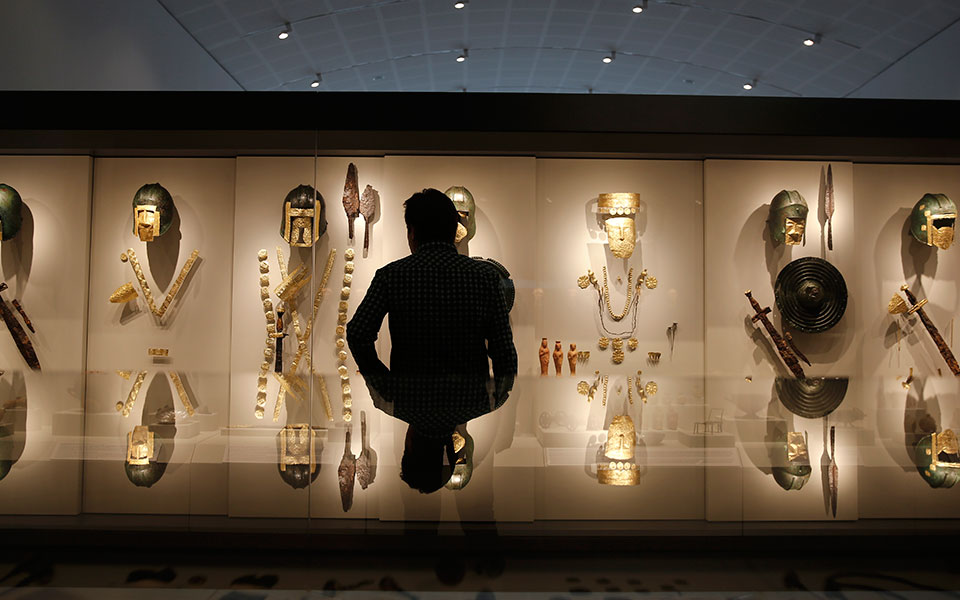
In October 2024, a small piece of purple fabric was uncovered in Vergina and thought to have once belonged to Alexander the Great (356-323 BC). If authenticated, this tunic might provide an unprecedented glimpse into Alexander’s personal life and even his adoption of Persian customs. However, questions remain about whether the tunic belonged to Alexander.


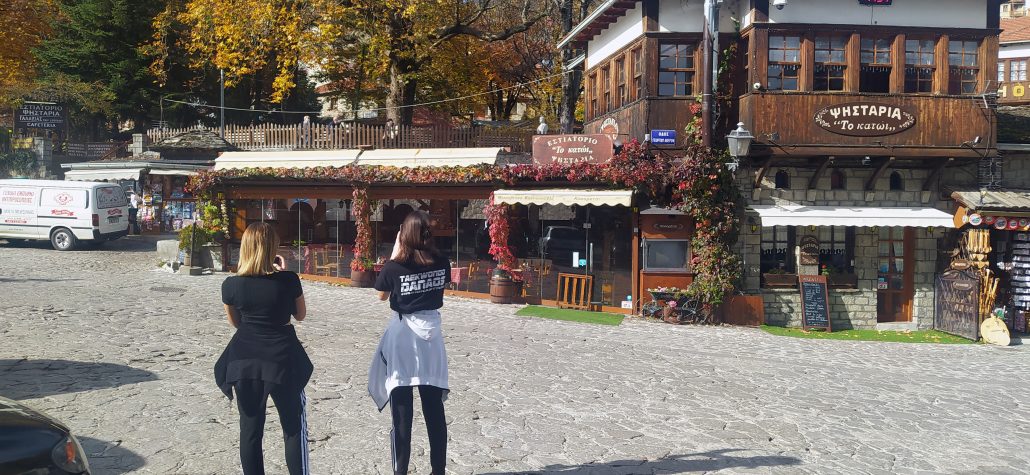
Finally, we depart for Meteora, but we could make a quick detour to visit the lively mountain town of Metsovo (depending on the available time). Metsovo town (famous for its “Metsovone” smoked cheese) is a popular winter holiday destination; this tree-shaded village retains its traditional character. It is full of life year-round, generously offering you its natural surroundings.




Drive on to Meteora for the final overnight and, depending on available time after the day’s main activities, hopefully adding a quick first late afternoon visit to the monastery area.
DAY 15: FROM METEORA TO THERMOPYLAE AND BACK TO ATHENS
After breakfast at a nearby hotel (with a view of the famous Meteora rocks; the monasteries cannot be seen from Kalabaka town), we will drive for 10 minutes and then begin exploring.
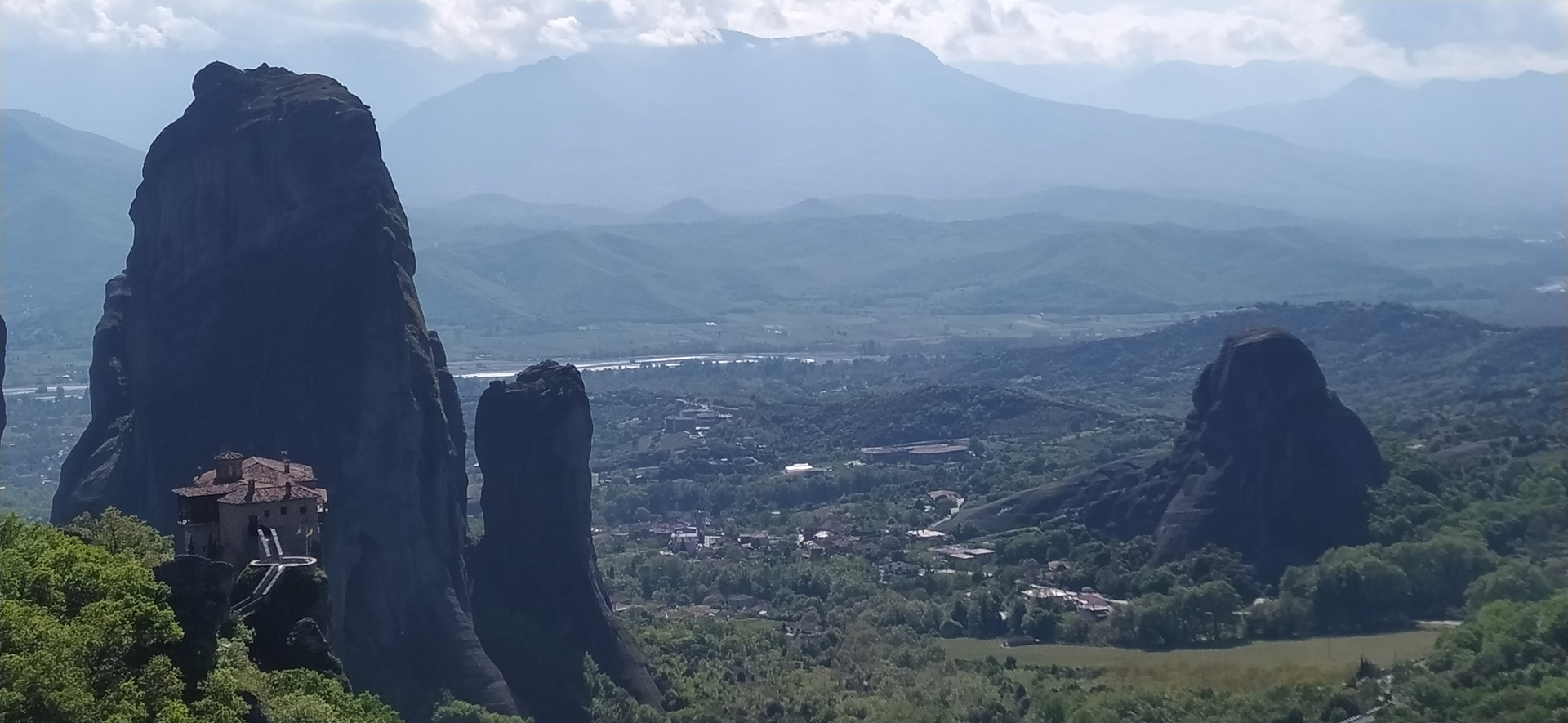 Meteora (“suspended in the air”) was the hiding spot for the monks from the Romans. We explore two (or 3) impressive monasteries, depending on your fitness and pace. We drive through the Meteora maze, stopping at various spots to take photos and enjoy the views. Holy Trinity Monastery served as the filming location for the 1981 James Bond movie “For Your Eyes Only.” Several other films were also shot at the Meteora monasteries. Not all monasteries are open every day. Each day, one of the monasteries is closed. We will plan accordingly and ensure you don’t miss any favorites.


We leave Meteora behind to start our drive back to Athens, stopping to stretch our legs at Thermopylae, where the battle between the 300 Spartans and the 200,000 soldiers of the Persian Empire took place. Don’t let anyone tell you that Thermopylae is more than a very historic … dot/pin on Google Maps, where you can only admire the statue of Leonidas and let your imagination do the rest. The landscape has changed!! But … it is a good place to make a stop, discuss why the Spartans chose to meet the Persians at this location, and of course stretch our legs before the following lunch stop!


We will arrive at your hotel in Athens around 17:00, but we are flexible depending on your plans. There is always an option for an airport drop-off if you plan your departure accordingly.
[© Eudaimonia Private Tours Peloponnese Delphi Meteora Zagorochoria Private Tours Athens, Greece]


